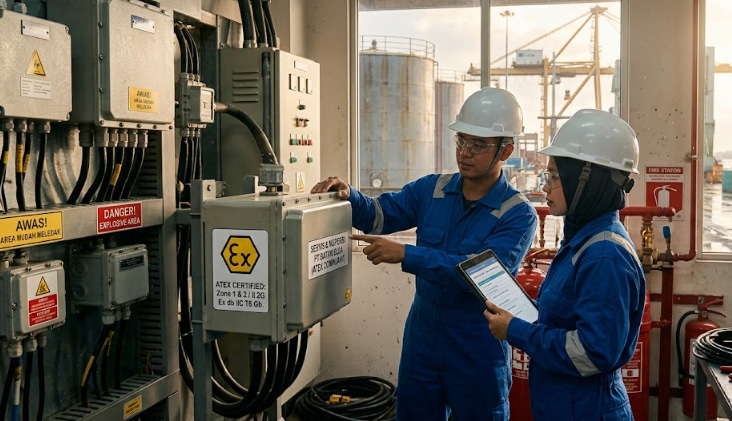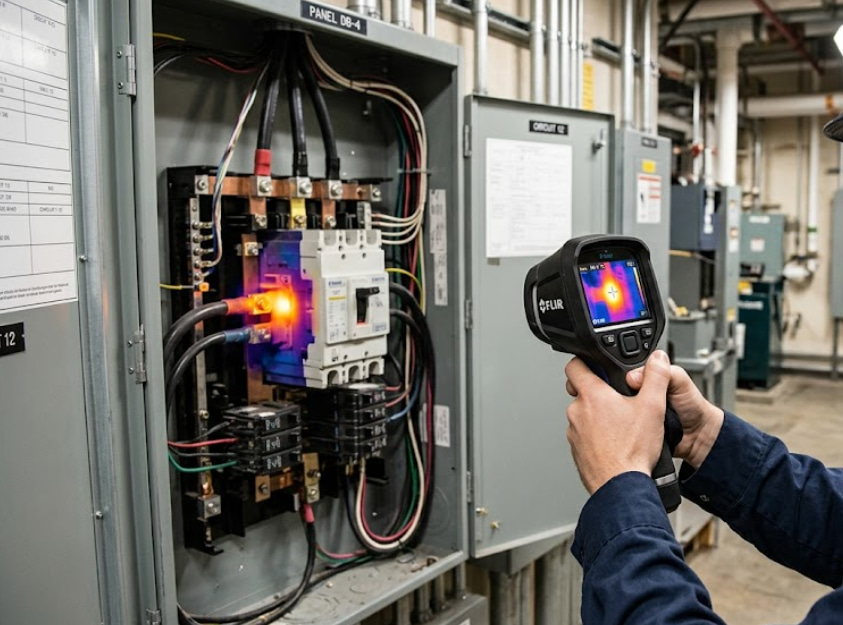

Electrical system failures contribute to more than 30% of total fire incidents in Batam's industrial zones, a statistic enough to keep any operational manager awake at night. In the middle of dense manufacturing ecosystems like Muka Kuning or Kabil, one hour of downtime due to a short circuit is not just a technical glitch, but a financial loss reaching hundreds of millions of rupiah. Thermal Imaging for Electrical Preventive Maintenance stands as the first line of defense that not only detects problems but predicts failures before the first puff of smoke emerges from your control panel.
Why Thermal Imaging for Electrical Preventive Maintenance is Crucial in Batam?
Batam industries operate under unique environmental conditions. The high humidity characteristic of the Riau Islands accelerates oxidation on electrical connections, while the 24/7 workload of factories places constant stress on energy infrastructure. Utilizing Thermal Imaging for Electrical Preventive Maintenance allows engineering teams to see the invisible: hotspots generated by high resistance, overloading, or insulation failure.
According to data from the Hartford Steam Boiler Inspection and Insurance Company, over 25% of electrical equipment failures are caused by loose connections or corrosion. In Batam industrial estates, this figure is often higher due to exposure to corrosive sea air. With infrared thermography technology, our technicians can perform inspections without shutting down the power (non-intrusive), ensuring factory operations continue normally while system safety is verified in depth.
Implementing this strategy in Batam is no longer just an option but a standard for compliance with international occupational safety regulations. Companies adopting predictive-based Electrical Engineering services tend to see a decrease in industrial insurance premiums due to a significantly lower fire risk profile. Imagine detecting a loose busbar in your substation before it melts and causes a total blackout across all production lines.
Industry Standards: NFPA 70B and the Importance of Data Accuracy
The recent transition in the NFPA 70B standard (Standard for Electrical Equipment Maintenance) has shifted the status of preventive maintenance from a mere recommendation to a mandatory standard for many global industrial entities. This standard emphasizes that Thermal Imaging for Electrical Preventive Maintenance must be conducted periodically using devices with high thermal sensitivity. At PT Wahari Nawa Manunggal, we ensure every thermography report refers to correct emissivity parameters to avoid misdiagnosis.
Key Components to Inspect via Thermography
Not all electrical components are created equal, yet there are critical points in Batam factories that often become the primary source of trouble. Through systematic thermal scanning, we can map the health of the electrical infrastructure comprehensively. Here are the components that fall under our top priority:
- Main Distribution Boards (MDB) & Sub-Panels: Checking for load imbalances between phases which often trigger overheating in the neutral wire.
- Circuit Breakers (MCCB/VCB): Detecting worn or weak internal contacts that could lead to a trip failure during a current surge.
- Transformers: Monitoring bushing and cooling tank temperatures to prevent fatal transformer explosions for Batam industrial operations.
- Electric Motors & Drives (VFD): Identifying mechanical issues like bearing friction or electronic component failure in inverters.
- Busbar Connections: Ensuring bolt connections have not loosened due to constant factory machine vibrations.
A real scenario in an electronics assembly plant in Batam Centre showed that routine inspections found a hotspot on the main AC terminal. If left alone, temperatures reaching 120°C could have triggered a fire within days. With early intervention through Industrial Automation solutions and technical repairs, the factory avoided production losses worth thousands of dollars.
Integration with SCADA Systems and Real-Time Monitoring
Technology for Thermal Imaging for Electrical Preventive Maintenance no longer stands alone. In the Industry 4.0 era, thermal scan results can be integrated with energy monitoring and SCADA systems. This allows facility managers to see temperature rise trends over time (trend analysis), rather than just static photos during annual inspections. This data-driven approach ensures that asset replacement decisions are based on actual conditions (Condition-Based Maintenance), not just a calendar schedule.
Financial Benefits: ROI of Thermal Imaging Implementation
Many business owners in the Riau Islands might ask, "Is the cost of Thermal Imaging for Electrical Preventive Maintenance worth the result?" The answer is a very significant ROI (Return on Investment). Based on reports from the Federal Energy Management Program (FEMP), predictive maintenance programs can save up to 30-40% in costs compared to reactive maintenance (repairing only when broken).
Let's break it down mathematically. The cost of one day of downtime in a large factory in Batam can reach IDR 500,000,000 (assuming lost productivity, wasted labor wages, and penalties for late delivery). The cost of one comprehensive thermal inspection session is just a small fraction of that risk. Furthermore, by detecting poor connections, you also reduce energy losses due to heat (I²R loss), directly lowering your company's monthly electricity bills.
Beyond energy efficiency, asset safety is the main point. In a competitive environment like Batam's industry, a reputation as a reliable supplier depends heavily on operational stability. Electrical failures leading to fires not only destroy physical assets but also the trust of international clients who rely on timely supply from Batam.
Practical Steps for Effective Thermal Inspection
To get the maximum result from Thermal Imaging for Electrical Preventive Maintenance, the process must be conducted with the right methodology. Our specialist team in Batam follows strict protocols to ensure no detail is missed. Here are the standard steps:
- Load Preparation: Thermal inspections must be performed while the system is under at least 40% load. Scanning a dead system will not show the true resistance issues.
- Environmental Scanning: Recording ambient temperature and humidity conditions in the Batam industrial location for tool calibration.
- Anomaly Identification: Using high-resolution thermal cameras to map heat distribution and find points with significant temperature differences (Delta T).
- Risk Classification: Determining if a hotspot falls into the Minor (needs monitoring), Intermediate (schedule repair), or Critical (requires immediate action) category.
- Reporting & Recommendation: Compiling comprehensive technical reports, complete with digital and thermal imagery as a basis for action for our Parts & General Supplier team if component replacement is needed.
It is vital for companies in Batam to collaborate with partners who have advanced thermography certifications. Misinterpretation of thermal images—for example, mistaking light reflection for a hotspot—could lead to unnecessary expenses for replacing components that are actually healthy.
Frequently Asked Questions
For most manufacturing facilities in Batam's industrial zones, we recommend inspections at least once a year. However, for heavy industries with high loads or highly corrosive environments, semi-annual (every 6 months) checks are highly advised to ensure compliance with occupational safety and insurance standards.
Not at all. In fact, Thermal Imaging for Electrical Preventive Maintenance must be done while equipment is operating and carrying a load. This is one of the main advantages of this technology; we can detect problems without causing any downtime to your production lines.
Regular electrical audits often focus on manual voltage and current measurements which might miss loose connections inside components. Thermal imaging provides an instant visual of heat distribution, allowing early detection of issues that haven't shown symptoms on conventional measuring tools yet.
Conclusion
Adopting Thermal Imaging for Electrical Preventive Maintenance is not just about following a tech trend, but a strategic decision to protect your business continuity. Amidst the tight industrial competition in Batam and the Riau Islands, ensuring your electrical systems remain reliable, efficient, and safe is the foundation of sustainable productivity. Don't wait for a costly system failure to start caring for your electrical asset health.
Want to ensure your industrial electrical panels are free from hidden hotspot risks? As a leading industrial technology expert in Batam, PT Wahari Nawa Manunggal is ready to assist you with professional thermal scanning services and comprehensive engineering solutions. Take your preventive step today and secure the future of your factory operations. Contact us immediately for a free consultation with our experienced team in the field.