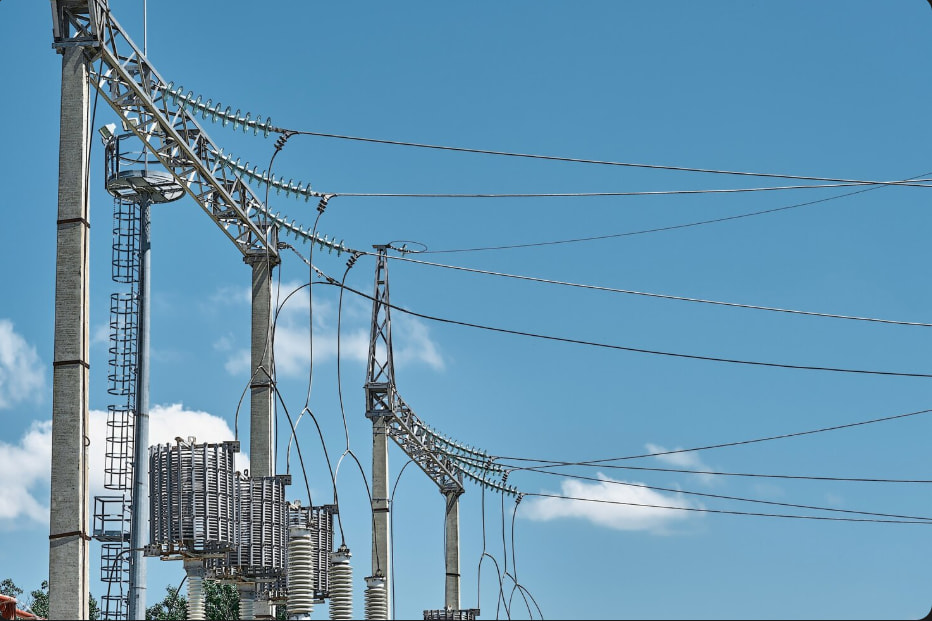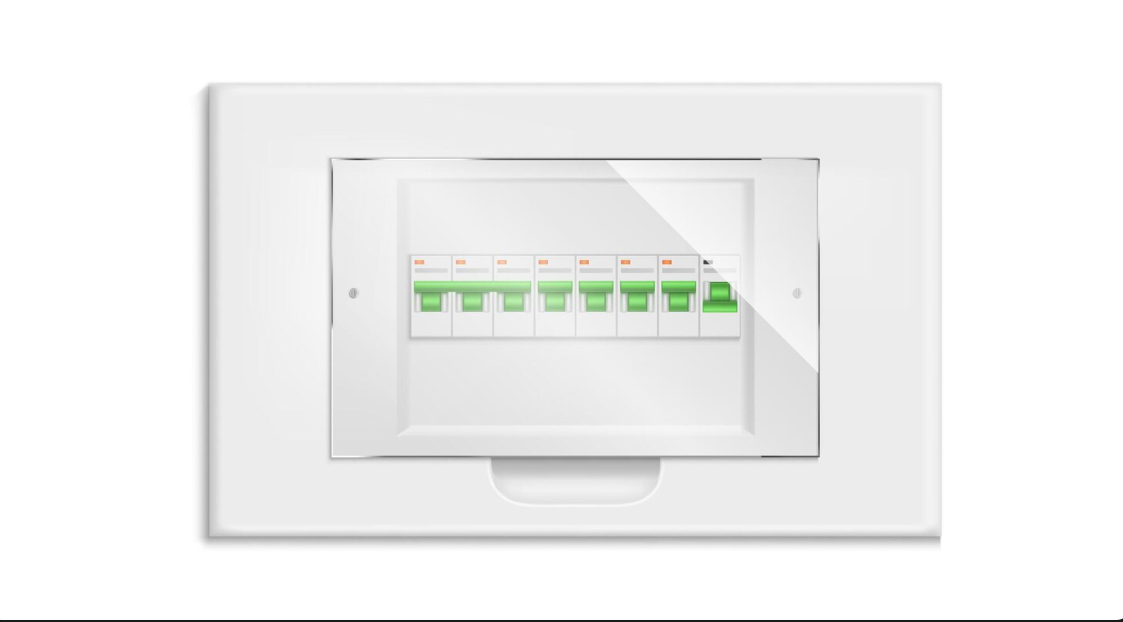

A single circuit breaker failure in a semiconductor plant within Batam’s industrial zones can result in operational losses exceeding $50,000 per hour of downtime. According to data from the National Fire Protection Association (NFPA), nearly 25% of all industrial fires are caused by electrical system failures, with improper protection device selection being a primary contributing factor. For operational managers and lead engineers in Batam, understanding circuit breaker technical specifications is not just about regulatory compliance—it is about ensuring business continuity and safeguarding high-value assets amidst extreme industrial load fluctuations.
Understanding Key Technical Parameters in Circuit Breaker Selection
The first step in determining the right protection device for your industrial control panel is understanding the Rated Current (In). A common mistake occurs when technicians only look at the maximum load capacity without considering the unique environmental factors of the Riau Islands, such as high humidity and ambient temperatures that can significantly affect the device's thermal performance. Per IEC 60947-2 standards, a circuit breaker must be able to operate continuously at full load without experiencing nuisance tripping.
In Batam's industrial scenarios, where many factories operate 24/7 with heavy machinery, load calculations must include diversity factors and future load growth projections. If you are designing a panel for large electric motors, you must account for 'inrush current'—the massive spike in current when a motor first starts, which can be 6 to 10 times the normal operating current. This is where professional electrical engineering services become crucial to ensure accurate protection coordination.
The Critical Role of Breaking Capacity (kA Rating)
Breaking capacity, often referred to as Short-Circuit Interrupting Capacity, is the maximum current a circuit breaker can interrupt without suffering fatal physical damage. In Batam’s industrial parks, which often have high power transformer density, the Prospective Short Circuit Current (PSCC) levels can be immense. Installing a breaker with a 10kA rating on a system with a potential 25kA short circuit is a recipe for disaster that often leads to panel explosions.
- Industrial Standard: Utilize at least 25kA or 36kA for Low Voltage Main Distribution Panels (LVMDP).
- Short Circuit Analysis: Always conduct a protection coordination study before installation.
- Component Quality: Ensure you source genuine products through a trusted Parts & General Supplier to avoid refurbished or counterfeit goods.
Trip Curve Classification: Matching Load Characteristics
Statistics indicate that 15% of electric motor damage in Batam-based factories occurs due to the use of circuit breakers with mismatched tripping curves. Circuit breakers are classified by how quickly they respond to current spikes. Choosing the wrong curve can lead to frequent, unexplained shutdowns or, worse, a failure to trip during a genuine fault.
Type B curves are typically used for purely resistive loads like standard heating or lighting. However, for manufacturing environments, Type C and Type D curves are the more common standards. Type C is designed for moderate inductive loads such as fluorescent lighting and small motors, while Type D is critical for heavy machinery with high start-up surges like large compressors or metal stamping machines. This is where the integration between hardware and industrial automation solutions plays a role in monitoring load behavior in real-time.
Ambient Temperature Impact in the Riau Islands Region
Batam features a tropical climate with high salt content (marine environment), which is highly corrosive. The temperature inside a panel room without specialized cooling systems can reach over 50 degrees Celsius. Most circuit breakers are calibrated at a standard temperature of 30-40 degrees Celsius. If the ambient temperature exceeds this limit, the breaker's nominal current capacity will decrease (derating). Failing to account for temperature derating often causes breakers to trip even when the load has not reached its maximum capacity.
Digitalization and Monitoring via SCADA Systems
In the modern industrial era, selecting a circuit breaker is no longer limited to manual mechanical functions. The use of Smart Circuit Breakers that can connect via communication protocols like Modbus or OPC-UA allows energy usage data and breaker status to be sent directly to a central monitoring system. This is highly relevant for industries in Batam that are beginning to adopt Industry 4.0 principles for energy efficiency.
By integrating circuit breakers into robotics & software integration, maintenance teams can receive early notifications before a total failure occurs. For example, if a sensor detects an unusual temperature rise at the breaker terminals (overheating), the system can trigger an alarm before a spark occurs. Furthermore, energy consumption data from each breaker can be pulled into our ERP customization services for more accurate production cost analysis per machine line.
Selective Coordination: Preventing Total Blackouts
Has your factory ever experienced an incident where a minor fault in one machine caused the entire building to lose power? That is a sign of poor selective coordination. The principle of selective coordination ensures that only the breaker closest to the fault point trips, while the upstream breakers remain connected.
Achieving selective coordination requires precise calculations between Time-Current Curves. At PT Wahari Nawa Manunggal, we often find industrial panels in Batam using mismatched brands of breakers without curve synchronization, resulting in system instability. Brand and type consistency within a single distribution scheme is highly recommended to guarantee reliability.
Frequently Asked Questions
MCB (Miniature Circuit Breaker) is generally used for low currents up to 125A with limited breaking capacity. Meanwhile, MCCB (Molded Case Circuit Breaker) is designed for higher currents (up to 1600A) and features adjustable trip settings, which are crucial for main distribution panels in large Batam factories.
The average lifespan of an industrial circuit breaker is 10 to 20 years, depending on operation frequency and environment. However, in Batam’s humid and corrosive industrial environment, routine inspections every 6-12 months are highly recommended. Replace immediately if you find char marks, buzzing sounds, or if the breaker fails to trip during periodic testing.
Yes, we are electrical engineering and industrial automation specialists based in Batam. We provide services ranging from panel design, assembly, and installation to energy audits and protection system optimization for various industrial estates like Batamindo, Panbil, and Kabil.
Conclusion
Selecting the right circuit breaker is more than just matching ampere numbers on paper. It is a technical process involving a deep understanding of load characteristics, Batam’s specific environmental conditions, and compliance with international safety standards. With the right devices, you not only protect expensive machinery from damage but also ensure the safety of your entire workforce in the production area.
Don't let your business operations grind to a halt due to preventable electrical issues. Our expert team at PT Wahari Nawa Manunggal is ready to assist you in designing, selecting, and installing the most reliable and efficient industrial panel protection systems. Get a free consultation with our team today for a comprehensive electrical system audit of your plant in Batam.