
A single millisecond of latency is no longer just a figure on a laboratory spec sheet; it is the new heartbeat of the production floor in Batam’s industrial zones. Imagine an environment where thousands of sensors, robotic arms, and Automated Guided Vehicles (AGVs) communicate instantly without the constraints of cables limiting spatial flexibility. This is the promise of 5G technology in the realm of industrial automation, currently making inroads into Indonesian manufacturing, particularly in strategic hubs like the Riau Islands.
Why 5G is the Game Changer for Batam’s Industry
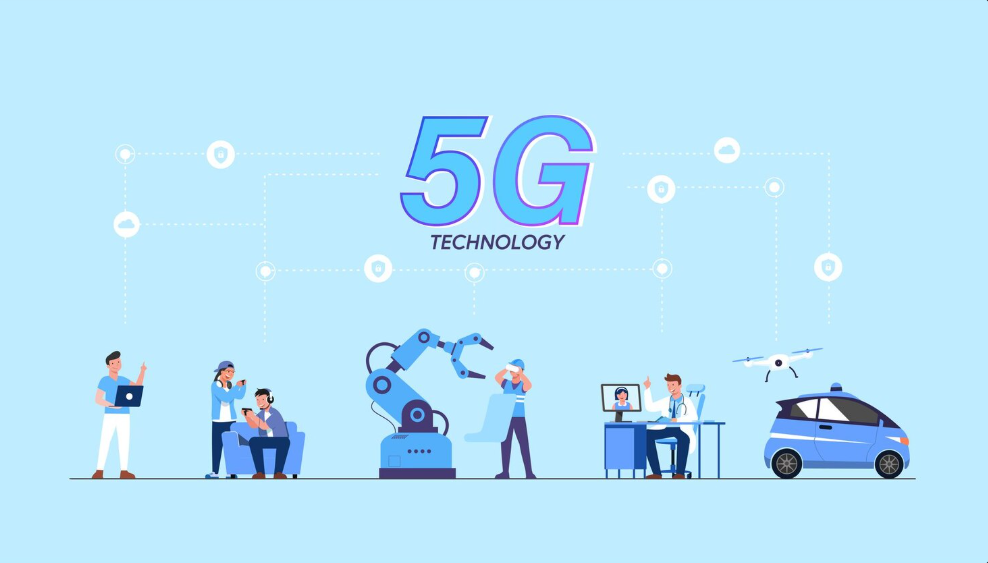
Traditional factories often find themselves caught in a dilemma between the stability of wired connections (Ethernet) and the mobility of wireless (Wi-Fi). Even Wi-Fi 6 frequently fails to handle the massive electromagnetic interference found in large factory environments or the exceptionally high density of devices. This is where 5G steps in with its three primary pillars: Enhanced Mobile Broadband (eMBB), Ultra-Reliable Low-Latency Communications (URLLC), and Massive Machine-Type Communications (mMTC).
For operational managers in Batamindo or Kabil Industrial Estate, 5G adoption means the ability to integrate thousands of data points without network performance degradation. According to reports from Ericsson, 5G technology is predicted to contribute $13.2 trillion in economic value by 2035 across various global sectors, with manufacturing as a primary contributor. In Indonesia, this transformation is driven by the Making Indonesia 4.0 vision, which positions connectivity as the backbone of national efficiency.
Understanding URLLC: The Key to Safety and Precision
In Industrial Automation solutions, a data delay of a few milliseconds can mean a synchronization failure leading to machine damage or workplace accidents. The URLLC protocol in 5G ensures that commands from a central control system reach actuators with reliability reaching 99.999%. This is crucial for applications such as hazardous material handling using remote robots or high-precision control on CNC machines connected wirelessly.
Real-World 5G Applications in Connected Factory Ecosystems
How does 5G actually change the way factories in Batam's industrial areas operate? The implementation goes beyond just faster download speeds. It is about creating a fully context-aware ecosystem. With Robotics & Software integration powered by 5G, companies can implement Digital Twins—digital replicas of physical assets updated in real-time.
- Predictive Maintenance: Vibration and temperature sensors send continuous, uninterrupted data streams for AI diagnosis, detecting faults before a machine actually stops.
- Augmented Reality (AR) for Technicians: Field technicians in Batam can use AR glasses to receive repair guidance from senior experts at different locations, with instruction overlays perfectly synchronized with their hand movements.
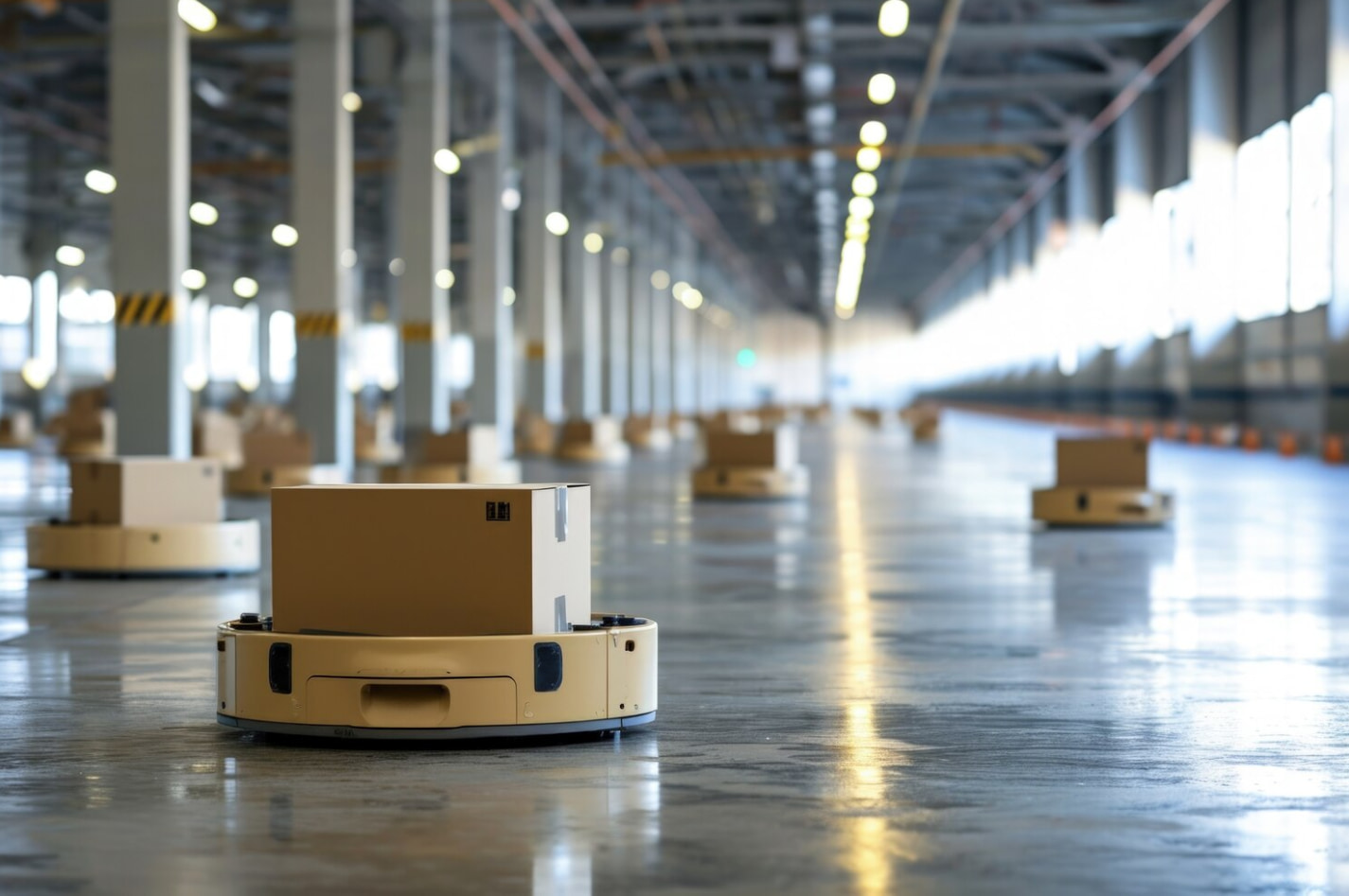
- AGVs and AMRs: Autonomous logistics robots are no longer confined to fixed magnetic paths; they can perform dynamic navigation throughout the factory area thanks to instant transmission of map and position data via the 5G network.
Synergy with Modern SCADA and PLC
Traditional cable-based SCADA (Supervisory Control and Data Acquisition) systems can now evolve into cloud-based or hybrid systems. Utilizing standards like OPC-UA or MQTT over 5G networks allows for data transparency from the shop floor (OT) directly to management systems (IT) such as our Odoo-based ERP Customization services. The result? Decisions are no longer based on yesterday's reports, but on this second's data.
Implementation Challenges in the Indonesian Manufacturing Sector
Despite its immense potential, the journey toward a 5G-based smart factory in Indonesia has its own set of challenges. One of the main issues for business owners in Batam is the availability of frequency spectrum dedicated to private networks (Private 5G). Private networks are significantly more secure and stable than public networks because all data traffic remains within the physical perimeter of the company.
Furthermore, integration with legacy assets still using analog or serial communication protocols requires intelligent gateway devices. This is where comprehensive Electrical Engineering services become crucial to ensure the transition from conventional control panel architectures to digital ones occurs smoothly without prolonged downtime.
Cybersecurity in the Era of Total Connectivity
The more devices that are connected, the larger the attack surface for cyber threats. 5G offers built-in security features such as Subscription Concealed Identifier (SUCI) encryption and stronger network authentication than previous generations. However, companies must still implement a multi-layered security strategy (Defense-in-Depth) to protect the integrity of their production data.
The Role of PT Wahari Nawa Manunggal in Industry 4.0 Transformation
As a leading technology partner in Batam, PT Wahari Nawa Manunggal understands that technology is merely a tool—the real solution lies in how that technology is integrated to solve actual business problems. We combine expertise in electrical engineering with modern software development to create efficient factory ecosystems.
Our services range from component procurement through our Parts & General Supplier division to the design of complex control systems. We help companies in Batam conduct infrastructure audits to assess their readiness for adopting advanced wireless technologies, ensuring that investments provide a measurable ROI through increased output and reduced production waste.
Frequently Asked Questions
Not necessarily. Most legacy machines can be integrated into a 5G network using Industrial Gateways or protocol converter devices (such as Modbus-to-5G). PT Wahari Nawa Manunggal can help you map out a retrofitting strategy so your old machines can still communicate within a smart factory ecosystem without massive new equipment investment.
Private 5G offers wider coverage areas, better handover management for mobile devices (like robots), and data traffic prioritization (Network Slicing) that Wi-Fi lacks. While Wi-Fi 6 is great for office applications, 5G is specifically designed to handle thousands of simultaneous sensor connections in environments with physical obstacles like Batam factories.
Costs vary significantly depending on factory size, the number of devices to be connected, and the desired level of system integration. However, savings from reduced cabling costs and increased operational efficiency usually provide a Break-Even Point (BEP) within 18-24 months for intensive manufacturing operations.
Conclusion
5G technology is not just a trend; it is a necessity for industries in Batam that wish to remain competitive in the global market. With lightning-fast data transmission and high-level reliability, 5G opens doors to efficiencies previously thought impossible. From robotic control to real-time data analysis via ERP, the future of Indonesian manufacturing is wireless and fully connected.
Are you ready to transform your factory operations for the Industry 4.0 era? Do not let technological complexity hinder your business growth. Our team of experts at PT Wahari Nawa Manunggal is ready to help you design a robust and modern automation architecture in Batam. Reach out to us for a free consultation with our team and find the most appropriate solution for your specific industrial needs.