
A single second of delay in the material handling line of an electronics manufacturing plant in Batam is not just a minor hiccup; it is a potential loss of thousands of dollars in annual production scale. Amidst the intense competition of the Batam industrial zone, which serves as an international logistics hub, operational efficiency is no longer an option—it is a prerequisite for survival. Did you know that according to a report from Mordor Intelligence, the Automated Guided Vehicles (AGVs) market is projected to grow at a CAGR of 14.1% through 2026? This massive growth is driven by the global industrial need—including in Riau Islands—to minimize dependence on manual labor, which is prone to error and fatigue.
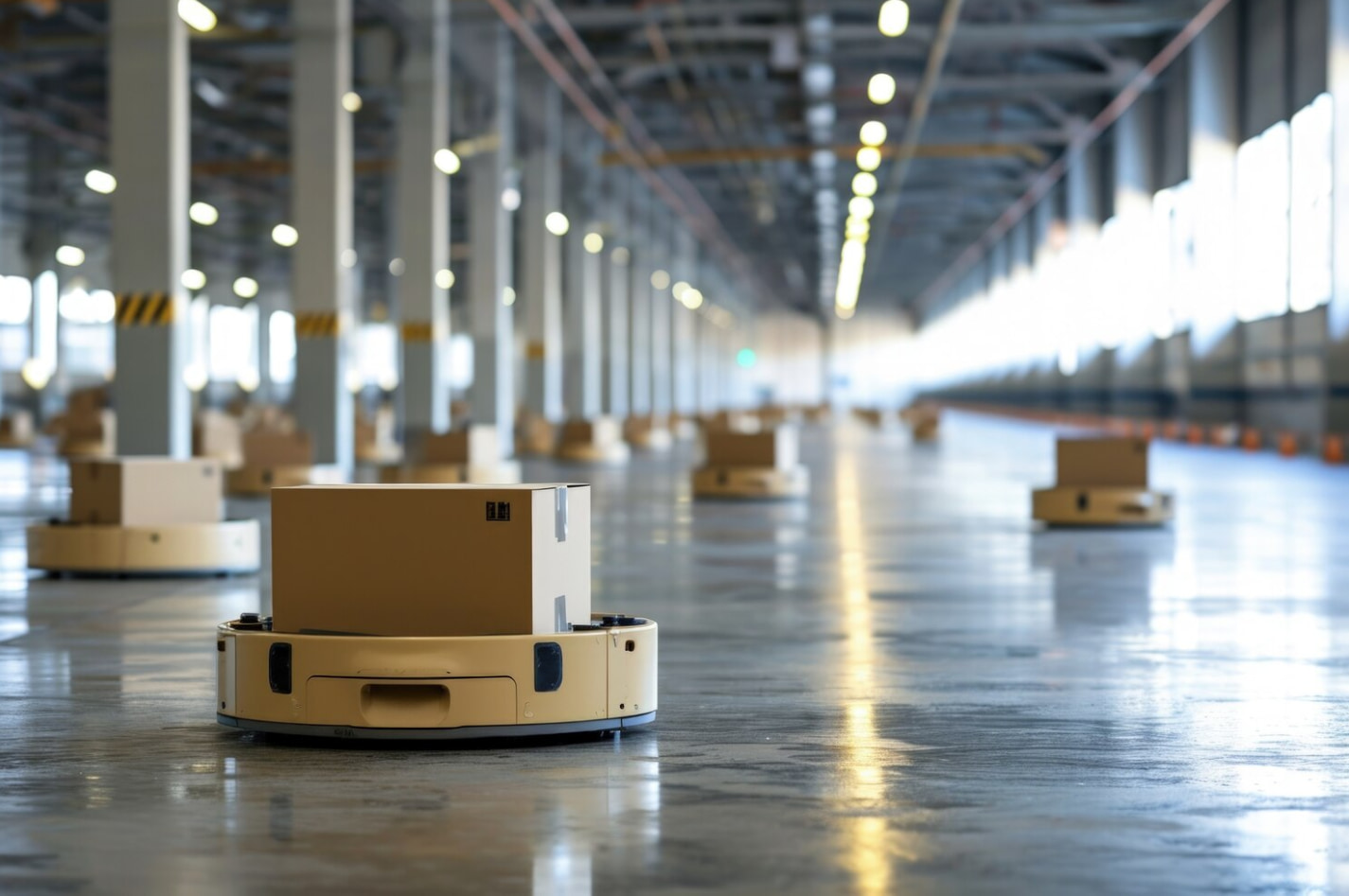
Automated Guided Vehicles or AGVs have now transformed from simple transport robots into intelligent entities capable of navigating the complexities of the factory floor without human intervention. For facility managers in Batam, adopting this technology is not just about following a trend, but a strategic move to optimize warehouse space, which is becoming increasingly expensive. With AGVs, material flow becomes more predictive, safe, and measurable in real-time. This article will dissect in depth how the integration of these systems can change the face of your company's operations in Batam.
Why AGVs are a Prime Necessity in Batam Industrial Zones?
Batam industrial zones have unique characteristics with very high volumes of goods movement every hour. In environments that demand high precision, such as semiconductor manufacturing or electronics assembly, conventional material handling methods relying on manual forklifts often face consistency challenges. Industrial statistics show that approximately 25% of accidents in warehouse areas involve manual forklifts, which often result in property damage or expensive production downtime. This is where Industrial Automation solutions through AGVs enter as a highly effective preventive measure.
Implementing AGVs in Batam industry allows for 24/7 operations without performance degradation. Unlike human operators who require breaks and work shifts, AGVs can work continuously with automatic charging schedules. Data from logistics surveys show that companies that replace 50% of their manual forklift fleets with AGVs record a 20-30% increase in throughput efficiency within the first year of operation. This is crucial for companies in Batam that must meet export targets on time.
Beyond the efficiency factor, workplace safety in Batam factories is a top priority for management. AGVs are equipped with advanced sensors such as LiDAR, 3D cameras, and ultrasonic sensors that ensure the robot stops instantly if it detects an obstacle or the presence of personnel in its path. International safety standards like ISO 3691-4 are now the primary reference in modern AGV development, ensuring that robotics integration on the production floor does not threaten the safety of human workers but becomes a reliable co-worker.
Integrating AGVs with the Digital Ecosystem: ERP and Inventory Management
The true power of an AGV lies not just in its physical ability to carry heavy loads, but in its ability to communicate with warehouse management systems. In Batam, many companies are still struggling to synchronize physical stock with digital data at headquarters. By connecting AGVs to Inventory Management solutions, every movement of goods is automatically recorded in the database without manual input from operators. This eliminates misplacement, which often occurs in large warehouses.
Furthermore, this integration can be extended to a more strategic level through our ERP Customization service based on Odoo. Imagine a scenario where a sales order enters the ERP system, and the system automatically instructs an AGV unit in the warehouse to pick up the required components from a specific shelf and bring them to the assembly line. Everything happens automatically, encrypted, and can be monitored from an operational manager's dashboard anywhere in Batam or abroad.
Here are some technical benefits of integrating AGVs with corporate software systems:
- Real-time Traceability: Precise tracking of material positions using digital coordinates.
- Dynamic Route Optimization: Intelligent algorithms that determine the shortest route to save energy and time.
- Automated Reordering: The ERP system can trigger raw material purchases when an AGV detects that stock at a certain point is running low.
- Data Analytics: Gathering data on material flow speeds to identify bottlenecks on the production floor.
AGV Navigation Technologies Relevant for Batam Factories
Choosing the right AGV navigation type depends heavily on your factory layout in Batam. A few years ago, magnetic tape-based navigation was the industry standard due to its low cost. However, for factories with high mobility and frequent production layout changes, Laser Guided Navigation or SLAM (Simultaneous Localization and Mapping) technology is a wiser choice. SLAM technology allows AGVs to create a map of their own environment without the need to install additional physical infrastructure on the warehouse floor.
In the context of Robotics & Software integration, synchronization between AGV units (Fleet Management) is vital. If a warehouse operates more than five AGV units, a central coordination system is required to prevent congestion at warehouse intersections. This is where electrical engineering expertise plays a huge role. PT Wahari Nawa Manunggal understands that control panels and wireless communication systems (such as MQTT or OPC-UA protocols) must be extremely stable so that commands from the server can be executed by the robots without significant latency.
The application of industrial communication standards ensures that the AGV system can interact with other infrastructure such as automatic doors, freight elevators, or conveyor systems. For example, when an AGV approaches an elevator, it sends a signal through the local network to call the elevator to the correct floor. This high level of synchronization defines a true Smart Factory or Industry 4.0 implementation for industrial players in the Riau Islands.
Implementation Challenges and the Role of PT Wahari Nawa Manunggal
Despite the massive benefits, the transition to an automated warehouse is often seen as daunting due to the significant initial investment and the need for local expertise for maintenance. Many companies in Batam hesitate to adopt AGVs because they worry about the availability of spare parts and technicians capable of troubleshooting if issues arise in the control system or sensors. This fear is justified, given that downtime in the Batam industrial sector can impact the entire global supply chain.
This is where PT Wahari Nawa Manunggal comes in as a strategic partner. As a Batam-based company, we provide not only technology but also after-sales support and routine maintenance. We ensure that every component of your automation system is backed by a guaranteed supply of spare parts. Our focus is to bridge the technology gap between software systems (like ERP) and industrial hardware in the field, creating a robust end-to-end solution.
Our team of experts has experience in handling complex industrial electrical systems, from control panel design to advanced sensory integration. By understanding local characteristics—including Batam industrial zone regulations and regional logistics challenges—we are able to provide system recommendations that are the most cost-effective and provide a fast Return on Investment (ROI) for your business.
Frequently Asked Questions
Absolutely. While often associated with large facilities, AGVs are now available in various sizes and load capacities. For small-scale warehouses in Batam, AGV implementation can start with a single unit for the most repetitive tasks. The main advantage is scalability; you can increase the number of units as your business grows without having to overhaul the entire warehouse structure.
On average, companies in the manufacturing and logistics sectors see an ROI within 18 to 24 months after full implementation. Factors that accelerate ROI include savings on overtime labor costs, a reduction in goods damage by up to 80%, and increased order fulfillment cycle speeds. In Batam, with dynamic warehouse operational costs, ROI can be achieved even faster if system integration is done correctly.
With modern navigation technologies like Natural Navigation or SLAM that we offer, changes in warehouse layout are not a major problem. You only need to perform a digital re-mapping through the AGV management software without needing to tear up floors or install new physical sensors. This flexibility is perfect for industries in Batam that frequently customize production lines according to market demand.
Conclusion
Automated Guided Vehicles (AGVs) have proven themselves as a central pillar in the smart warehouse revolution worldwide. For the Batam industrial ecosystem, adopting this technology is not just about mechanical automation, but about building a logistics system that is robust, measurable, and digitally integrated. With improved safety, measurable efficiency, and high adaptability, AGVs are a crucial long-term investment to maintain global competitiveness.
Ready to boost your warehouse efficiency with future automation solutions? We understand that every factory operation in Batam has its own unique challenges. Don't let inefficiency hold back your business growth. Contact us now to get a free consultation with our team at PT Wahari Nawa Manunggal. Together, we will design an automation system that is not only advanced but also right-fit for your specific industrial needs in the Riau Islands.