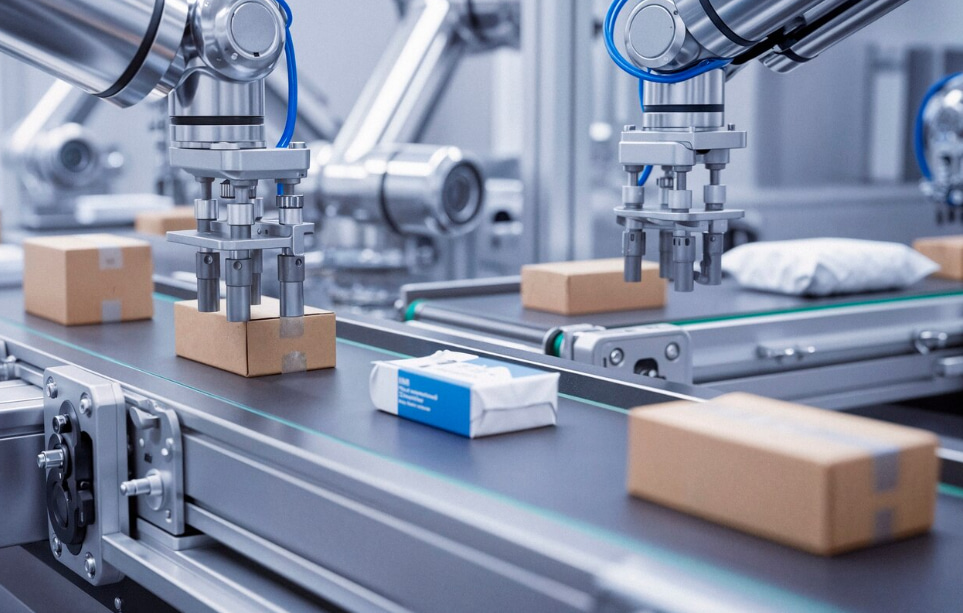

Batam has evolved beyond a simple logistics hub; its status as a Free Trade Zone (FTZ) is now the primary engine driving the Smart Manufacturing revolution in Southeast Asia. Data from the Batam Indonesia Free Zone Authority (BP Batam) indicated a significant economic growth of 7.04% in 2023, largely fueled by the electronics, medical devices, and shipbuilding sectors. However, this volume growth brings a critical challenge: maintaining profitability amidst rising global operational costs. The solution lies not in merely expanding floor space, but in injecting digital intelligence into every facet of the manufacturing process.
Fiscal Incentives as a Catalyst for Digital Transformation
The unique advantage of operating in Batam is the exemption from Value Added Tax (VAT) and Import Duties on capital goods and raw materials. For companies aiming to implement Smart Manufacturing, this represents a golden opportunity. Industry 4.0 technologies—such as IoT sensors, edge computing servers, and high-end automation hardware—often require substantial initial capital. In Batam's industrial parks, the cost of procuring this technology can be 10-15% more efficient than in non-FTZ regions due to the lack of import tax burdens.
Market research suggests that firms integrating digital systems early in their lifecycle can reduce operational expenditures by up to 20% within the first 24 months. By leveraging the FTZ status, operational managers in Batam can reallocate budgets previously reserved for taxes toward R&D or critical infrastructure upgrades. This is where our Electrical Engineering services become indispensable, ensuring that power infrastructures like Control Panels and SCADA systems are robust enough to support the high-compute workloads of smart machinery.
Consider a factory in the Kabil Integrated Industrial Estate. Without the burden of complex customs duties on every imported PLC (Programmable Logic Controller) module, the speed of deployment increases exponentially. This agility, combined with proper systems integration, allows Batam-based firms to respond to global market shifts faster than their regional competitors. The FTZ provides the financial cushion, while digital technology provides the competitive edge.
Industrial Automation: Breaking Data Silos on the Factory Floor
Many factories in Batam still struggle with "data silos"—where production, warehouse, and finance departments operate on disconnected systems. This lack of communication leads to inventory discrepancies and shipping delays. In the era of Smart Manufacturing, bridging the gap between Industrial Automation solutions and top-level management software is a necessity. Utilizing communication protocols like OPC-UA or Modbus TCP ensures that raw data from the production floor (PLC/SCADA level) is directly readable by the business management system.
A common scenario we encounter in the Batam electronics corridor is inventory inaccuracy levels of 5-8% caused by manual data entry. By implementing an automated Inventory Management solution, these errors can be slashed to under 1%. Real-time data from packaging machines or assembly lines instantly updates the manager's dashboard, enabling instant, data-driven decision-making.
- Real-Time Synchronization: Connecting machine sensors directly to central databases for live throughput monitoring.
- Predictive Maintenance: Leveraging historical data to predict control panel component failures before they cause downtime.
- Supply Chain Transparency: Tracking raw materials from the moment they arrive at Batu Ampar port until they become export-ready finished goods.
Integration is not just about efficiency; it's about compliance. Companies in Batam targeting European or American markets must provide the level of production transparency that only Smart Manufacturing can provide, adhering to international standards like IEC 61131-3 for PLC programming.
Custom Odoo ERP: The Brain of Modern Manufacturing
Why are Batam-based manufacturers increasingly turning to Odoo? The answer lies in its modular flexibility. As a highly customizable platform, Odoo allows manufacturers to start with essential modules and scale as their business grows. In Batam's high-pressure industrial environment, our ERP Customization services focus on aligning software workflows with the specific regulatory requirements of a bonded zone.
According to Gartner, a successful ERP implementation can boost manufacturing productivity by 25%. In Batam, the specific challenge involves managing customs documentation (such as BC 2.3 or BC 4.0 forms) in perfect sync with physical warehouse movement. Our customized ERP solutions integrate production modules with local regulatory compliance, ensuring that every time a unit is finished, the system automatically updates the raw material usage reports required for government audits.
Is your business still relying on manual spreadsheets to track daily output? If so, you are losing thousands of valuable data points every hour. With the right customization, Odoo acts as a central nervous system, linking Robotics & Software integration on the floor with financial reporting in the back office. This is the essence of digital transformation: turning raw data into a strategic asset.
Establishing Global Trust Through Professional Digital Presence
In the Smart Manufacturing ecosystem, B2B collaboration is intense. Potential partners from Singapore, Japan, or the US will conduct a digital audit of your capabilities before ever setting foot in your factory. If your company website looks outdated or lacks technical depth, you've lost credibility before the first meeting. Therefore, the company website development we provide is not just about aesthetics; it is about building industrial authority.
A modern manufacturing website in Batam should serve as a technical portal showcasing ISO certifications, automation project portfolios, and technical capabilities. With precise SEO optimization, your firm can be discovered by global procurement managers looking for a reliable manufacturing partner in Asia. Your website becomes a 24/7 sales representative, working to attract foreign investment and partnership into your operations.
Frequently Asked Questions
The primary benefits include increased operational efficiency, reduced waste, and the ability to perform predictive maintenance. In Batam, these are amplified by the FTZ fiscal perks, allowing companies to acquire advanced technology at a lower cost without the burden of import taxes on capital goods.
Integration is achieved by using IIoT gateways or adding communication modules to existing PLCs to convert data into standard protocols like MQTT or OPC-UA. Our technical team in Batam specializes in bridging the gap between older industrial hardware and modern software like Odoo, ensuring a smooth digital transition without requiring a total machine overhaul.
Absolutely. By using modular approaches (like Odoo), SMEs do not need to make massive upfront investments. You can start by digitizing one production line or just the inventory system. Given the fierce competition in Batam's industrial parks, technology adoption is the most effective way for SMEs to remain competitive against larger multinational firms.
Conclusion
The future of industry in Batam is no longer determined by who has the largest workforce, but by who possesses the smartest systems. The synergy between Free Trade Zone benefits and Smart Manufacturing technologies creates a competitive edge that is difficult for other regions in Southeast Asia to replicate. By integrating industrial automation, customized ERPs, and reliable electrical infrastructure, your company will not just survive—it will lead in the Industry 4.0 era.
At PT Wahari Nawa Manunggal, we understand that every factory in Batam faces unique challenges. Are you ready to transform your conventional operations into an efficient Smart Factory? Don't let the competition pull ahead. Schedule a free consultation with our team today to discuss the software and automation solutions that best fit your business needs. Let's build the future of Batam's industry together.