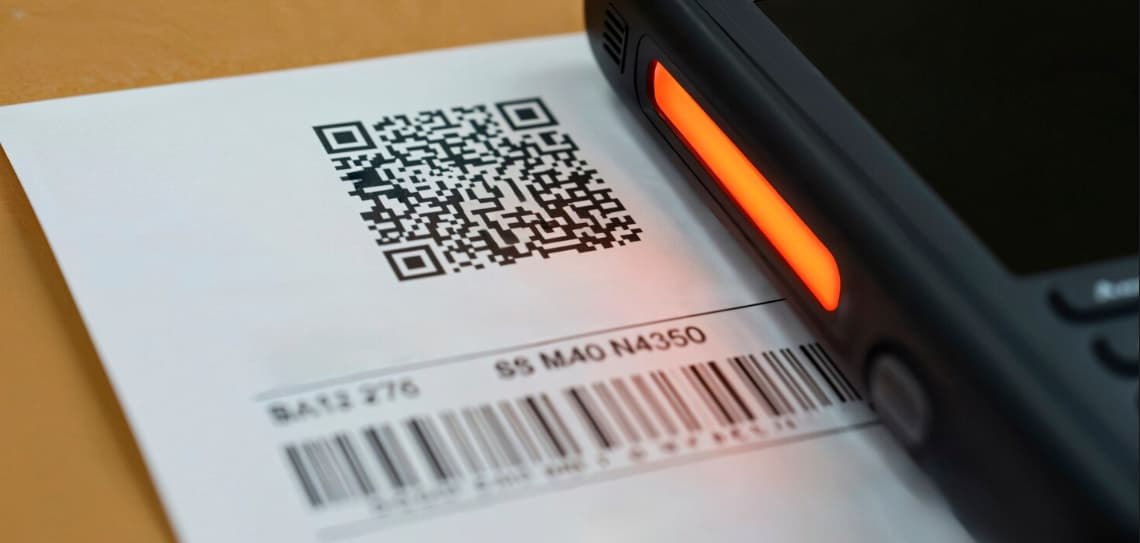

Manual data entry errors are a silent killer of manufacturing profitability; industry statistics reveal that an average operator makes one fatal mistake every 300 keystrokes. In the hyper-competitive landscape of Batam's industrial zones, such a small margin of error can translate into thousands of dollars in stock discrepancies or shipping delays that tarnish vendor reputations. Integrating barcode scanning technology into your Inventory Management System is no longer a technological luxury—it is a fundamental infrastructure requirement for companies operating in free trade zones like the Riau Islands.
The Necessity of Barcode Integration in Batam’s Industrial Hubs
Why should companies in Batam prioritize this system upgrade now? According to a report by the Warehouse Education and Research Council (WERC), warehouses that adopt automated scanning technology see an increase in picking speed by up to 25% compared to manual methods. In Batam, where many companies operate under Bonded Zone (Kawasan Berikat) status, inventory data accuracy is critical for Customs reporting (IT Inventory). Discrepancies between physical stock and digital reports can trigger administrative sanctions or prolonged audits.
Implementing a barcode system connected to our Inventory Management solution enables instant data synchronization. Consider a scenario in an electronics assembly plant in Muka Kuning: when components arrive at the receiving dock, staff simply scan a QR code on the pallet. Instantly, stock status is updated on the central server, the production department receives notifications regarding raw material availability, and the finance team sees real-time asset value updates. No paper, no tedious manual entry, and most importantly, no risk of mistyping similar SKU codes.
However, this integration is not just about purchasing scanners. It is about building a data ecosystem capable of translating physical signals into valuable business insights. Industries in Batam require system resilience capable of handling thousands of transactions per hour without latency that hinders field operations.
Technical Architecture: Linking Hardware to ERP
Technically, this integration involves three main pillars: barcode labels (identity), scanning hardware (translator), and the core software or middleware (the brain). In many cases we handle through our ERP Customization services, we utilize GS1 standards to ensure global compatibility, especially for our clients in the Riau Islands who engage in export-import activities with Singapore and beyond.
- Data Capture: Utilizing laser scanners or 2D imagers to read 1D (Code 128) or 2D (QR Code/Data Matrix) codes containing batch info, serial numbers, and expiration dates.
- Transmission Protocols: Data is transmitted via stable industrial Wi-Fi or Bluetooth to the central server using API (Application Programming Interface) protocols.
- Backend Processing: The inventory system receives the data string, performs cross-validation with the database, and triggers secondary actions such as stock reduction or delivery order generation.
It is vital to understand the difference between batch and real-time scanning. In Batam's industrial zones, we strongly recommend real-time integration. With real-time integration, every movement of goods is validated instantly against business rules within the system. If a worker picks the wrong item in the warehouse, the scanner provides an instant alert (sound/vibration), preventing the error before the item is shipped or processed further.
Strategic Advantages for Modern Warehouse Operations
What is the value of peace of mind knowing your warehouse data is 99.9% accurate? A study by McKinsey & Company highlights that warehouse automation can reduce operational costs by 10% to 40%. In Batam, where warehouse overhead and labor costs continue to rise, this efficiency becomes a significant competitive advantage.
First, there is the aspect of **Inventory Counting Speed**. The annual stock opname process, which usually takes days and forces operations to a total halt, can now be completed in hours without stopping the flow of goods. With an integrated modern Point of Sale system, every retail sale or warehouse dispatch immediately deducts the inventory balance accurately.
Second, **End-to-End Traceability**. In the automotive or medical industries prevalent in Batam, the ability to trace a specific component back to its original supplier is a legal obligation. Barcode integration allows for the recording of every touchpoint in a product's lifecycle, providing the full transparency loved by auditors and quality managers.
Third, **Space Optimization**. With accurate data on item locations, the system can provide the most efficient put-away instructions, ensuring high-turnover goods are placed in the most accessible zones, while slow-moving items are positioned elsewhere to maximize warehouse capacity in Batam's limited industrial land.
Implementation Steps: A Guide for Batam Industrial Managers
Starting this digital transformation does not have to be daunting. PT Wahari Nawa Manunggal suggests a phased approach to ensure smooth user adoption and fast ROI. Before implementing more complex Industrial Automation solutions, start with a solid data foundation through barcoding.
- Infrastructure Audit: Ensure Wi-Fi coverage in the warehouse area reaches every corner to avoid dead spots during scanning.
- Symbology Selection: Use QR Codes if you need to store extensive information in a small space, or standard 1D barcodes for long-range scanning efficiency.
- API Integration: Ensure your inventory software has the capability to receive data from external devices seamlessly. We often build these data bridges through flexible Odoo-based systems.
- HR Training: Technology is only as good as the people operating it. Intensive training sessions for warehouse operators in Batam are essential to minimize resistance to the new system.
Do not overlook environmental aspects. In Batam's high humidity and industrial temperatures, barcode labels must use durable materials like polyester with resin ribbons so they do not fade or damage when exposed to heat or engine oil.
Frequently Asked Questions
Absolutely. Through our integration services, we can build middleware or use APIs to connect barcode scanners with various popular ERP systems like Odoo, SAP, or other custom software. We ensure two-way data flow so information in the field and the management dashboard is always in sync.
Implementation time varies depending on warehouse scale and data complexity, but on average, a first-phase project (hardware setup and basic integration) takes 4 to 8 weeks. This includes system configuration, initial inventory labeling, and on-site staff training.
We implement hybrid or "offline-first" solutions where scanners can still store data locally when the connection is lost and will automatically synchronize as soon as the signal returns. For maximum stability in large areas, we also offer industrial network infrastructure reinforcement services.
Conclusion
Integrating barcode scanning with your inventory management system is no longer an option for businesses aiming to thrive in Batam's fast-paced industrial ecosystem. It is about efficiency, accuracy, and the ability to make real-time data-driven decisions crucial for business continuity. By eliminating information barriers between the warehouse and management, you pave the way for greater scalability and higher customer satisfaction through timely and accurate deliveries.
Ready to transform your warehouse into a smart, error-free distribution center? Our team of experts in Batam is ready to help you design a barcode integration that fits your company's unique workflow. Don't let inefficiency hold back your growth potential. Contact PT Wahari Nawa Manunggal for a free consultation today and discover how our technology solutions can strengthen your industrial operations in the Riau Islands.