
Seventy percent of operational failures in manufacturing and distribution companies are not caused by a lack of capital, but by fragmented information. Imagine a classic scenario in Batam's industrial zones: the Sales department has just won a major contract, but the Warehouse team remains unaware until physical stock is completely depleted, while the Finance team is still struggling with manual invoice reconciliations that are out of sync with actual shipments. This phenomenon is known as 'data silos'—a condition where departments within a single company operate as isolated entities with their own separate databases.
The Hidden Cost of Data Silos in Batam's Manufacturing Sector
In a highly competitive environment like Batam's industrial landscape, efficiency is no longer an option—it is a prerequisite for survival. Data silos create information bottlenecks that lead to inflated operational expenditures (OPEX) which often go unnoticed by top management. According to a report by McKinsey, employees spend an average of 20% of their working time simply searching for and consolidating internal information scattered across various spreadsheets or disconnected software.
This inefficiency is most acutely felt in the interactions between Sales, Finance, and Warehouse. When Sales uses a CRM system that is different from the warehouse inventory system, the risk of 'overselling' (selling items with zero stock) increases drastically. The impact? Your company's reputation with international clients in Batam could be destroyed instantly. On the other hand, the Finance team often becomes the last victim of this silo chain. They must wait for manual reports from the Warehouse to perform billing, which often causes cash flow delays of up to 15-30 working days.
As a provider of our ERP Customization services with extensive experience serving clients in the Riau Islands, PT Wahari Nawa Manunggal often finds that the best solution is not adding more manpower, but unifying data flow through a single integrated system. ERP (Enterprise Resource Planning) integration acts as the 'single source of truth' for the entire organization.
Syncing Sales and Warehouse: Ending the Stock Guessing Game
Miscommunications often occur where Sales promises delivery in 2 days, while the Warehouse needs 5 days to restock due to lead times from suppliers in Singapore or Jakarta. Without integration, Sales only sees 'numbers on paper' that may not have been updated since last week. With an integrated Inventory Management solution within the ERP, every incoming order automatically 'locks' the stock in the warehouse in real-time.
Here are some key technical components that ensure this synchronization runs smoothly:
- Automated Reorder Points: The system automatically orders raw materials from suppliers when stock reaches a specific minimum threshold.
- Real-time Picking & Packing Updates: The Sales team can track order status from 'processing' to 'shipped' without needing to call warehouse staff.
- Multi-warehouse Management: Crucial for Batam companies with multiple warehouses in different locations like Tanjung Uncang and Batam Center.
Data from Gartner indicates that companies integrating Sales with Inventory Management can reduce stock carrying costs by up to 10% and improve order accuracy to 99%. This is possible because modern ERP systems, such as the Odoo-based ones we develop, use instantaneous data communication protocols (Webhooks or APIs) so there is no delay between transactions in the field and records on the managerial dashboard.
Optimizing Warehouse Through Scanning Technology
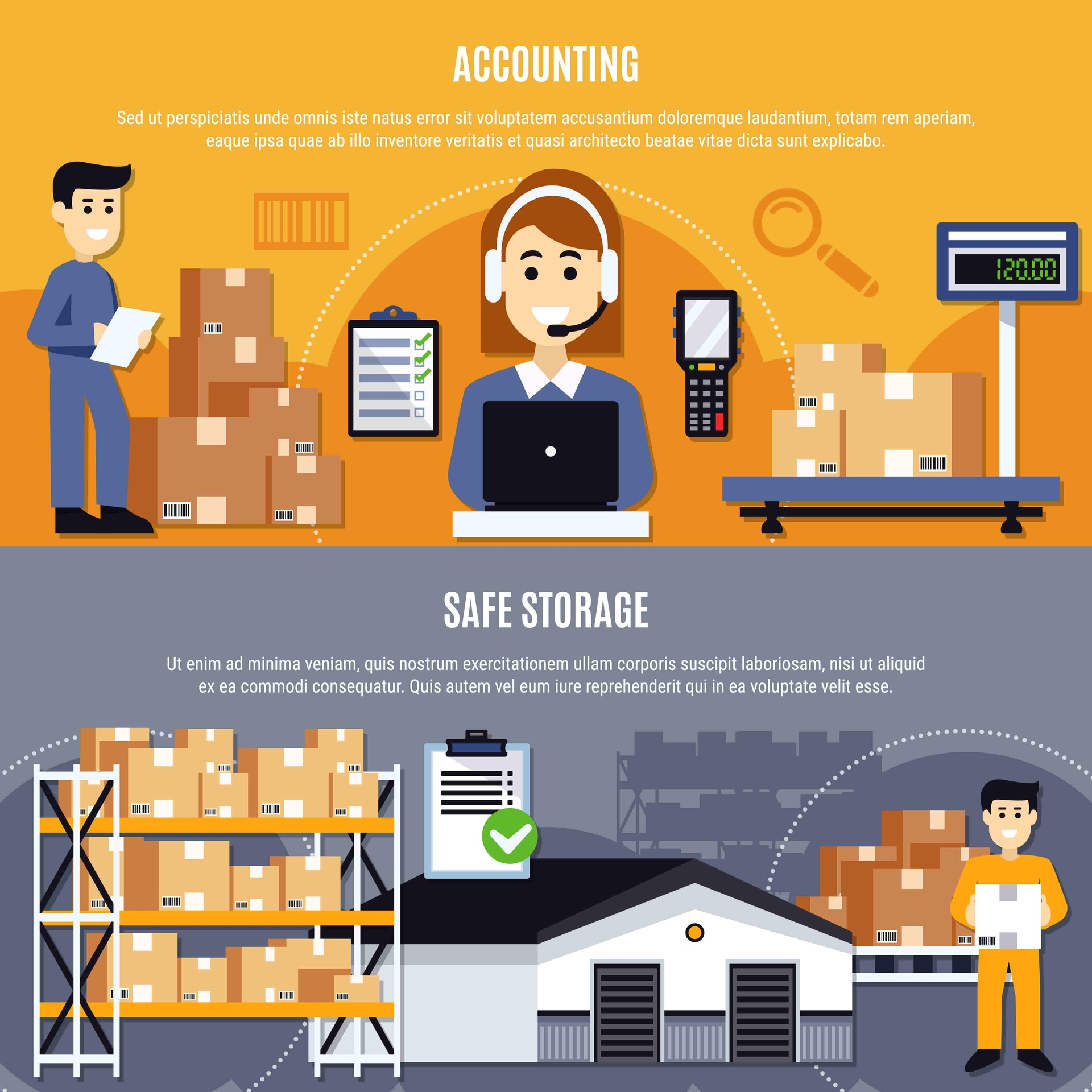
Integration involves more than just software; it also includes hardware. The use of barcode scanners directly connected to the ERP ensures that manual input errors (human error) can be reduced to below 1%. In more advanced Industrial Automation solutions, data from machines on the production floor can even directly update finished goods stock status, providing unprecedented end-to-end visibility.
Finance Integration: Accelerating Cash Flow and Report Accuracy
The biggest problem for Finance teams in many Batam companies is 'data reconciliation' at the end of the month. They must match Purchase Orders (PO) from Sales, Delivery Orders from the Warehouse, and Invoices from Suppliers. This manual process takes days and is highly prone to calculation errors. ERP integration eliminates this administrative burden through automated billing systems.
When the Warehouse marks goods as shipped (Validated Delivery), the ERP system automatically generates an accurate draft invoice based on the price agreed upon by Sales. The Finance team only needs to perform a quick review and send it to the client. This speed is critical, especially for companies operating in the Batam Free Trade Zone (FTZ), where customs and tax documents must be synchronized with physical goods flow.
Industry statistics show that integrating finance with operational departments can speed up month-end closing by up to 50%. Furthermore, compliance with international accounting standards (such as IFRS) becomes much easier because every transaction has a clear audit trail that cannot be manipulated.
Implementing ERP Customization in Batam: Why a Local Approach Matters?
Choosing generic ERP software without customization often creates new problems. Every factory in Batam has a unique workflow, ranging from raw material import regulations to local labor management. This is why PT Wahari Nawa Manunggal prioritizes a customization approach based on real field needs.
We understand that integration is not just about installing software; it is about changing work culture. Before performing integration, our team conducts a business process audit to map out where information leaks occur. As a company about PT Wahari Nawa Manunggal rooted in Batam, we have the advantage of quick response and a deep understanding of the local industrial ecosystem, including the need for integration with external systems like customs portals or local banking.
One real-world example is our client in the electronic component manufacturing sector in Muka Kuning. Before integration, they took 48 hours just to determine the profitability of a single production batch. After we integrated the production, sales, and finance modules, that figure became available in seconds. Strategic decisions are now made based on data, not just intuition or estimates.
Frequently Asked Questions
Implementation time varies greatly depending on data complexity and the number of modules being integrated. For a medium-scale company in Batam, the process from audit to go-live usually takes between 3 to 6 months. However, efficiency benefits are noticeable from the first month of using the integrated system.
Yes, absolutely. As a provider of reliable ERP software in Batam, we design systems flexible enough to handle tax reporting, BC 2.3/BC 4.0 document management, and other free trade zone specific regulations applicable in Batam and its surroundings.
Very much so. In fact, SMEs need efficient systems to compete with larger corporations. We offer a modular implementation model, where you can start with the most critical modules (e.g., Inventory and Sales) and add other modules as your business grows.
Conclusion
Eliminating data silos is not just a technology trend; it is an urgent necessity for companies wishing to maintain profitability in the Industry 4.0 era. By integrating Sales, Finance, and Warehouse, you not only save time but also provide a solid foundation for long-term business growth. PT Wahari Nawa Manunggal's vision is to help industries in Batam digitally transform with practical, scalable solutions backed by strong local technical expertise. Do not let your data remain trapped in silos—unlock your business potential with an intelligently integrated system.
Is your company still struggling with out-of-sync data and exhausting manual reports? Let us discuss how our ERP Customization services can help unite all your departments into one solid operational force. Our team of experts in Batam is ready to provide an in-depth analysis of your specific business needs. Contact us immediately for a free consultation with our team and begin your digital transformation journey today.