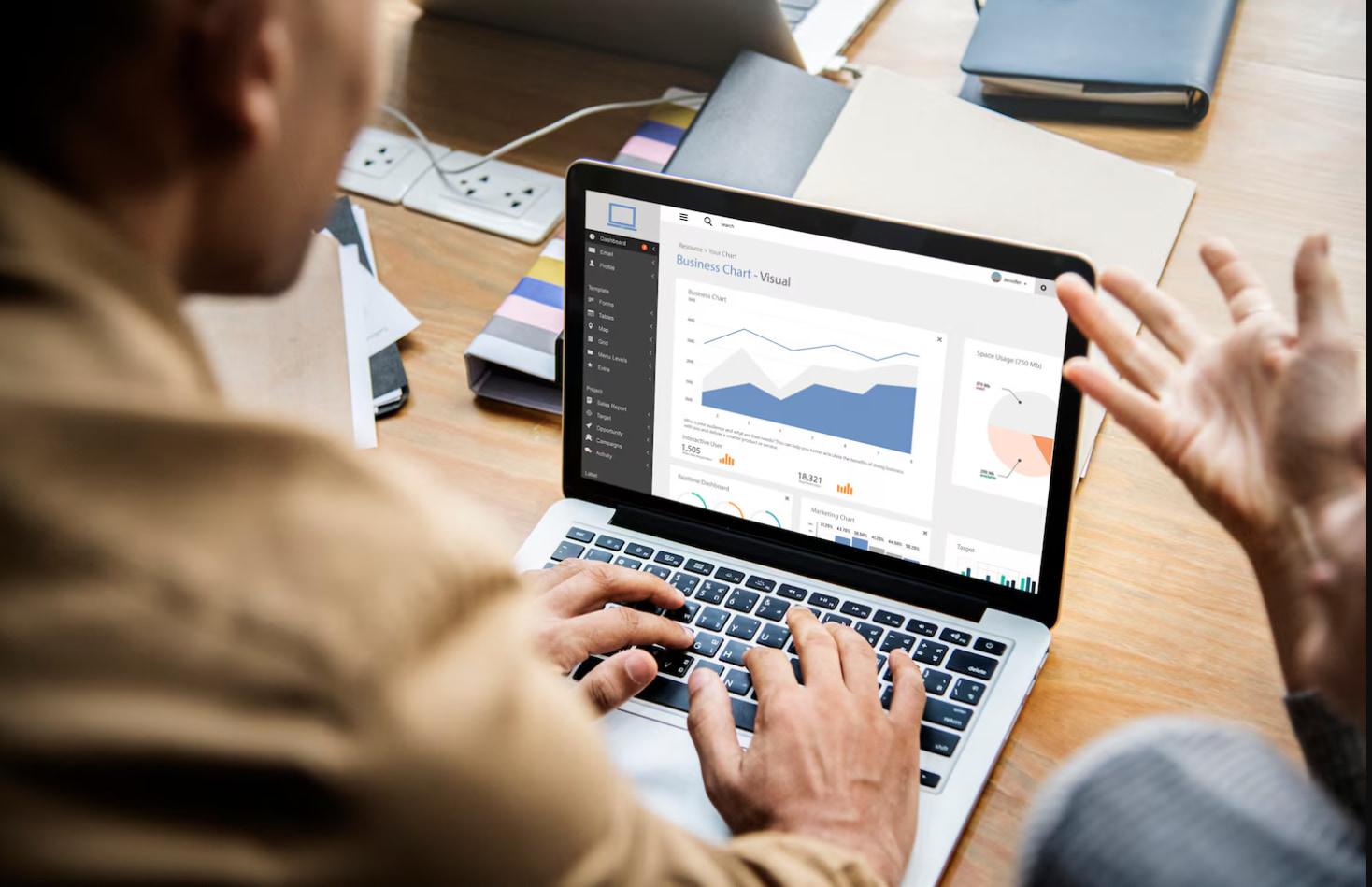

Seventy percent of digital transformation initiatives fail not because the technology is subpar, but because operational teams fail to align the technology's value with management's financial vision. In the fiercely competitive industrial landscape of Batam, from Muka Kuning to Kabil, proposing a budget for new systems like ERP or industrial automation often hits a wall of executive skepticism. Management doesn't buy features; they buy business outcomes. Without a solid business case that includes ROI (Return on Investment) projections and risk mitigation, your proposal is merely an expense in their eyes.
Why Technology Investment in Batam’s Industry Requires a Strategic Approach
Batam's industrial zones have unique characteristics that demand high efficiency. As a Free Trade Zone, companies here operate within global supply chains that are highly sensitive to time and data accuracy. According to reports by McKinsey & Company, companies that adopt integrated Industry 4.0 technologies can increase productivity by 15-30% and reduce maintenance costs by 10-40%. However, for a factory manager in Batam, global statistics alone aren't enough to convince business owners. You need to demonstrate how that technology solves specific problems on the production floors of Riau Islands.
In a local context, challenges such as fluctuating logistics costs, spare parts availability, and dynamic customs regulations make real-time data visibility crucial. Investing in our ERP Customization services is not just a trend; it is a necessity to maintain stock visibility and regulatory compliance. Without a data-backed business case, management may view it as a heavy upfront CAPEX burden, whereas the long-term OPEX is significantly lower than manual processes prone to human error.
Phase 1: Identifying the Problem and Its Financial Impact
The first step in building a business case is identifying the 'pain points' that hurt the company most. Is it machine downtime on the production line, inventory inaccuracies causing shipping delays, or the difficulty of reconciling financial data across departments? In Batam’s industrial zones, a small issue like a 2% stock variance can result in losses of hundreds of millions of Rupiah when multiplied by monthly production volumes.
Don't just say "we need a new system." Instead, say, "Our current manual recording system causes an average production delay of 5 hours per week, which equates to an output loss worth $15,000 per month." These figures are what will catch the attention of the CFO. Use historical data from relevant departments to strengthen your argument. If you are considering upgrading your goods tracking system, our Inventory Management solution can serve as a concrete reference to show how automation can reduce data redundancy by up to 90%.
Phase 2: Defining the Right Technology Solution
Once the problem is defined, you must present the solution that makes the most sense technically and financially. This is where you compare various platforms. For instance, is the company better off using a flexible Odoo ERP or another proprietary solution? For Batam-based needs, flexibility is paramount because business scalability can change rapidly as new foreign investment flows in.
Ensure you include technical details like integration with existing infrastructure. If your company is in heavy manufacturing, mention how our Industrial Automation solution can be integrated with software systems to generate automatic machine performance reports (OEE - Overall Equipment Effectiveness). Mention relevant industry standards such as PLC, SCADA, or Modbus to demonstrate that the proposed solution meets the international standards often required by global clients in Batam.
Phase 3: ROI and Total Cost of Ownership (TCO) Calculation
Upper management is laser-focused on numbers. ROI calculations must include direct savings (hard savings) and indirect benefits (soft benefits). Hard savings can include reduced administrative headcount, lower overtime costs, or energy consumption savings through more efficient Electrical Engineering services such as the installation of smart control panels. Soft benefits could be higher customer satisfaction or faster decision-making by the board.
Remember to calculate the Total Cost of Ownership (TCO), not just the software purchase price. TCO includes license fees, implementation, employee training, server infrastructure, and annual maintenance costs. At PT Wahari Nawa Manunggal, we always advise Batam clients to look at a 3 to 5-year time horizon. If a 500 million Rupiah investment can save 200 million Rupiah in operational costs per year, the Payback Period is 2.5 years. This figure is usually very attractive to management compared to allowing inefficiencies to persist.
Phase 4: Risk Mitigation and Implementation Plan
One of the biggest reasons management rejects technology investments is the fear of operational disruption during the transition. Your business case must include a comprehensive risk mitigation plan. How will legacy data be migrated? How will user training be conducted without stopping production lines? What is the contingency plan in case of system failure?
Highlight that you are partnering with a local vendor with a strong track record in the Riau Islands to ensure fast on-site technical support. Having a team for free consultation with our team in Batam provides management with peace of mind that technical issues can be resolved in hours, not days. Include a realistic project timeline with clear milestones so that management can transparently monitor their investment progress.
Frequently Asked Questions
On average, companies in Batam's industrial zones start seeing a return on investment (ROI) within 18 to 24 months after full implementation. This depends on the complexity of the modules used and the level of user adoption. Savings usually stem from reduced stock errors, administrative time efficiency, and improved billing accuracy that accelerates company cash flow.
The biggest risk is losing competitiveness against competitors who are already digitalized. In Batam, many international clients now require their vendors to have real-time data transparency. Delaying investment means the risk of losing major contracts because manual systems cannot meet the strict reporting and auditing standards of multinational corporations.
Absolutely. We don't just provide software or hardware; we act as a strategic partner. We can help conduct an initial operational audit, calculate potential efficiencies, and provide the technical data needed to strengthen your business case before your management or board of directors in Batam.
Conclusion
Building a business case for technology investment in Batam is not just about choosing the most advanced software; it's about proving economic and operational value for business sustainability. By focusing on accurate problem identification, realistic ROI calculations, and sound risk mitigation, you will not only gain budget approval but also position yourself as a visionary leader. Batam's industries continue to evolve, and those who dare to invest with the right strategy are the ones who will lead the market in the future.
Ready to transform your factory or business operations in Batam with measurable technology solutions? Don't walk alone in drafting your investment strategy. Our expert team at PT Wahari Nawa Manunggal is ready to help you design a robust business case and implement targeted solutions. From Odoo-based ERP systems to advanced automation, we are here as your trusted local partner in Batam. Schedule a free consultation with our team today and see how we can help your business reach the next level of efficiency.