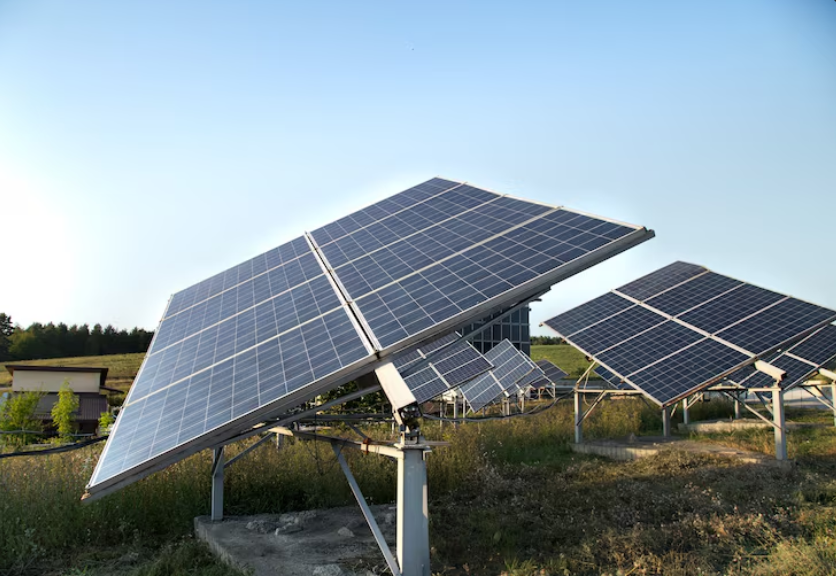

Operational costs for industries in Batam’s sprawling industrial zones, from Muka Kuning to Kabil, are often dominated by heavy-duty HVAC systems and production machinery running 24/7. As global pressure for decarbonization intensifies, many companies in the Riau Islands are turning toward Rooftop Solar PV. However, a physical constraint remains: the sun only shines effectively for 4 to 5 hours a day in Western Indonesia, while peak industrial demand often hits just as solar intensity fades. This is where Thermal Energy Storage (TES) technology emerges as the critical bridge to maximize your Solar PV investment.
Why Thermal Energy Storage Solar PV Batam is the Ultimate Solution
Factories in Batam face the unique challenge of high humidity and stable tropical temperatures year-round. These conditions force chillers to work at maximum capacity. If you rely solely on Solar PV without storage, the excess energy generated during the day is often wasted or sent back to the grid at unfavorable rates. Thermal Energy Storage (TES) redefines how we think about batteries. Instead of storing electrons in expensive chemical cells (like Lithium-ion), TES stores energy as heat or cold.
Data from the International Renewable Energy Agency (IRENA) indicates that thermal energy storage systems can reduce the overall investment cost of renewable energy systems by up to 30% compared to using pure chemical batteries for cooling applications. For industries in Batam, this means utilizing the abundant midday tropical sun to freeze water or cool fluids, which are then used to cool the facility during late afternoon or night when PLN electricity rates hit peak demand charges.
The Synergy: Solar PV + TES in a Tropical Context
The core principle is straightforward yet requires precise technical integration. Solar panels generate DC power, which is converted to AC to drive industrial chillers. When solar production exceeds the factory's immediate load, the surplus energy is directed to the TES system—typically involving chilled water tanks or Phase Change Materials (PCM). Our Electrical Engineering services ensure that the coordination between solar inverters and storage controllers is perfectly synchronized, preventing voltage fluctuations that could damage sensitive equipment.
Operational Efficiency in Batam Industrial Zones: A Technical Analysis
Manufacturing industries in Batam, particularly the electronics and semiconductor sectors, require stringent temperature control (precision cooling). Combining Solar PV with TES allows companies to perform "load shifting." Adhering to the IEC 61511 standard for industrial safety systems, this integration is about more than just efficiency—it's about reliability. By storing thermal energy, a factory has a cooling buffer if there’s a momentary grid disturbance, keeping machinery within safe operating temperatures.
Consider this scenario: A factory in Batamindo has a roof capacity for 500kWp of Solar PV. At noon, production peaks, but the immediate AC and production load is only 300kW. Without TES, the extra 200kW might not be fully utilized. With TES, that 200kW is used to produce ice within an insulated storage tank. When the sun sets at 6 PM, this ice is melted through a heat exchanger to supply cooling, meaning the factory doesn't have to draw massive power from the PLN grid during peak hours.
PT Wahari Nawa Manunggal, through our Industrial Automation solutions, can automate this transition using advanced Programmable Logic Controllers (PLC) and SCADA systems. You can monitor real-time savings every hour through an intuitive dashboard.
Key Components of an Integrated PV-TES System
- Solar Photovoltaic Array: Converts Batam's solar radiation into electricity.
- Thermal Storage Tank: Storage medium (water, ice, or molten salt) with high thermal insulation.
- Smart Control System: The "brain" that decides when to store energy and when to discharge based on electricity pricing and weather forecasts.
- Heat Exchanger: Transfers cold energy from the storage medium to the factory's HVAC system.
Financial Impact and ROI for Businesses in Riau Islands
Investing in green technology in Batam is no longer just about Corporate Social Responsibility (CSR); it is a strategic necessity in a competitive global market. By combining Thermal Energy Storage Solar PV Batam, the Payback Period can be significantly shortened. While chemical batteries typically last 5-10 years with capacity degradation, water or ice-based TES systems can last over 20 years with minimal maintenance. This provides the long-term energy cost stability that procurement managers desperately need.
Furthermore, the resulting energy efficiency can be monitored and managed through our Odoo-based ERP Customization services, where energy consumption data from IoT sensors is directly integrated with the company's financial and operational reports. This data transparency allows Batam factory managers to make data-driven decisions to eliminate unnecessary energy waste.
Technical Implementation and Field Challenges
Implementing this system in Batam requires specific expertise due to high salt-air corrosion. All control panels and solar mounting structures must meet specific NEMA or IP ratings to prevent premature failure. At PT Wahari Nawa Manunggal, we ensure every component, from bolts to inverters, is sourced from high-quality Parts & General Suppliers capable of withstanding coastal environments.
Another challenge is software integration. How does the Solar PV system communicate with your legacy chillers? This is where Robotics & Software integration plays its part. We build communication bridges using protocols like Modbus or OPC-UA so that new systems can "talk" to old machinery, ensuring a smooth energy transition without disrupting active production lines.
Frequently Asked Questions
For cooling loads (HVAC), TES is much more cost-effective as the cost per kWh of thermal storage can be 50-80% cheaper than Lithium-ion batteries. Additionally, TES systems have a much longer lifespan, often 20-25 years, fitting the long-term investment profile of Batam’s manufacturing sector.
Capacity is calculated based on available roof space and your factory's daily load profile. Our team performs on-site energy audits in Batam to determine the optimal balance between the number of solar panels and the size of the thermal energy storage tank for maximum ROI.
Not if planned correctly. We perform installations in parallel with existing systems. Commissioning is typically done during scheduled maintenance windows or holidays to ensure zero detrimental downtime for your industrial operations in the Riau Islands.
Conclusion
Integrating Thermal Energy Storage with Solar PV is no longer just a tech trend; it is a necessity for Batam industries aiming to remain competitive. By storing solar energy in the form of cooling, companies can overcome solar intermittency while slashing electricity costs. PT Wahari Nawa Manunggal is your strategic partner in Batam, combining expertise in electrical engineering, industrial automation, and software development to deliver reliable and scalable future-ready energy solutions.
Ready to transform how your factory consumes energy? Don't let your roof go to waste while electricity bills soar. Our expert team in Batam is ready to design an integrated energy system tailored to your specific industrial needs. Contact PT Wahari Nawa Manunggal for a free consultation and energy audit today.