
A single hour of downtime in a large-scale manufacturing plant can cost upwards of $250,000 in lost productivity and wasted materials. In the high-stakes industrial environment of Batam, where manufacturing speed and precision are paramount, managing a factory without real-time data is akin to flying a plane without a cockpit display. For decades, the "shop floor" and the "executive suite" have lived in two different worlds—one governed by grease and gears, the other by spreadsheets and strategy. Industrial IoT (IIoT) is the bridge that finally connects these two realms, turning vibration and heat into actionable business intelligence.
The Technical Architecture of Industrial IoT Connectivity
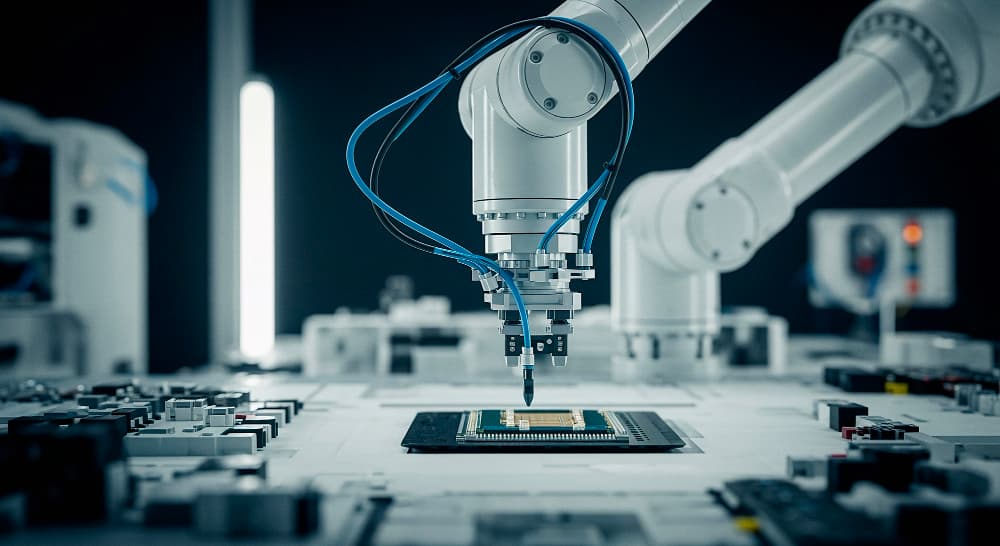
Connecting physical assets to a digital dashboard involves a sophisticated multi-layer architecture. According to IDC, global spending on IIoT is projected to reach $1.1 trillion by 2025, driven by the need for operational visibility. It starts at the Perception Layer, where high-precision sensors are integrated into your machinery. Whether it is monitoring the torque of a robotic arm or the temperature of a smelting furnace, these sensors are the nerve endings of your factory. At PT Wahari Nawa Manunggal, we specialize in implementing Industrial Automation solutions that ensure these sensors are correctly calibrated and ruggedized for the humid Batam climate.
The next layer is the Network Layer. Data from sensors doesn't just jump to the cloud; it travels through edge gateways using protocols like MQTT (Message Queuing Telemetry Transport) or OPC-UA (Open Platform Communications Unified Architecture). These protocols are designed to be lightweight and resilient, ensuring data reaches your dashboard even when network bandwidth is limited. Our Electrical Engineering services ensure that your communication panels are shielded from the electromagnetic interference (EMI) that often plagues industrial zones in Riau Islands.
Sensors, PLCs, and Edge Computing: The Frontline
On the factory floor, Programmable Logic Controllers (PLCs) act as the local brain. Modern IIoT implementations often involve connecting these PLCs (from manufacturers like Siemens, Mitsubishi, or Schneider) to an Edge Computing device. Edge computing processes critical data locally to allow for sub-millisecond reaction times, while sending filtered, meaningful summaries to your dashboard. This hybrid approach is essential for large-scale operations in Batam’s industrial parks where local network stability can vary.
Key technical components of a connected factory floor include:
- Smart Transmitters: Converting physical signals to digital data strings.
- Industrial Gateways: Providing the secure link between OT (Operational Technology) and IT (Information Technology).
- Cloud/On-Premise Servers: Housing the databases where historical performance is stored.
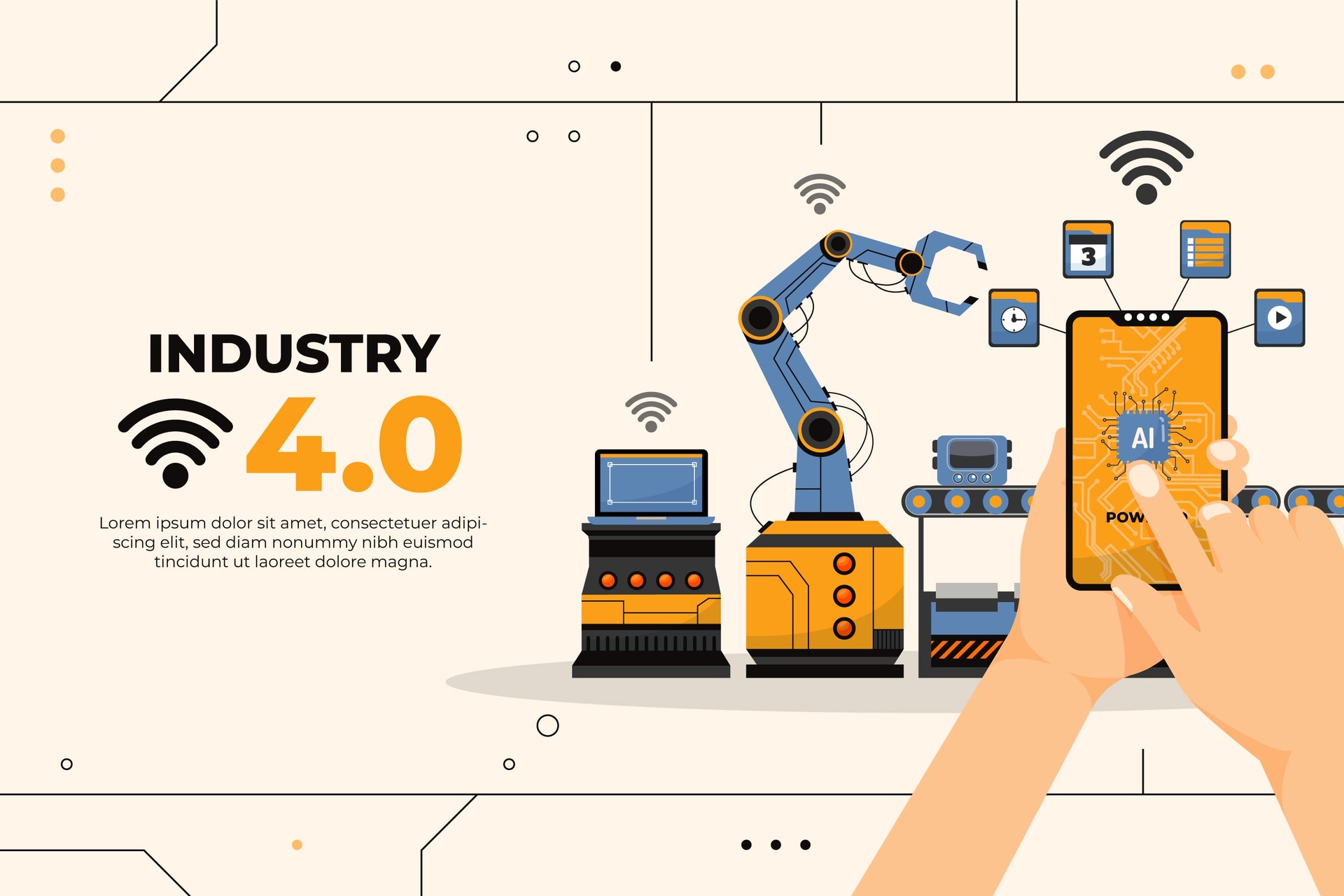
- Real-time Dashboards: The visualization layer, often built on web technologies for cross-device access.
Transforming Raw Machine Data into Actionable Insights
What does connectivity actually look like for a plant manager? It looks like a centralized dashboard that displays Overall Equipment Effectiveness (OEE) in real-time. Instead of waiting for a manual report at 5:00 PM, you can see at 10:30 AM that Machine Line B is operating at only 75% efficiency due to micro-stops. This allows for immediate intervention, saving hours of wasted potential. Research by Deloitte indicates that companies utilizing IIoT-driven predictive maintenance can increase equipment uptime by up to 20%.
Beyond uptime, energy management is a major focus for industries in Batam. By monitoring the power consumption of individual motors through your dashboard, you can identify "energy vampires"—machines that consume excessive power due to friction, misalignment, or worn-out bearings. This granular visibility allows for a direct reduction in utility costs, contributing to both your bottom line and your corporate sustainability goals.
Integrating IIoT with Modern ERP Systems
Connectivity shouldn't stop at the engineering dashboard; it should extend to your business management software. At PT Wahari Nawa Manunggal, we bridge this gap through our ERP Customization services based on Odoo. When your production line finishes a batch, the IIoT system can automatically update your inventory levels and trigger procurement orders for more raw materials. This creates a "Self-Healing Supply Chain" where human error in data entry is virtually eliminated.
For factory owners in the Riau Islands, this level of integration provides a massive advantage in transparency. When an international client asks for the status of their order, you don't need to call the floor supervisor; you simply check your integrated Inventory Management solution which is synced with real-time production data.
Overcoming Common Implementation Hurdles in Batam
The primary concern we hear from industrial leaders in Batam is the "Legacy Machine" problem. Many factories operate with reliable machinery that is 15-20 years old and lacks native internet connectivity. The solution is not to replace these machines, but to retrofit them. By adding external sensors and industrial I/O modules, we can pull data from even the oldest equipment, bringing them into the 21st century for a fraction of the cost of new assets.
Another challenge is the technical skill gap. Operating a smart factory requires different skills than a traditional one. This is why we design our dashboards to be intuitive. Using HMI (Human Machine Interface) best practices, we ensure that operators on the floor and managers in the office can understand the data at a glance, without needing a degree in data science. As a leading Parts & General Supplier, we also provide the necessary local hardware support to ensure that if a sensor fails, a replacement is available in Batam immediately, not weeks later from an overseas shipment.
The Security Paradox: Protecting Your Data
As you connect your factory floor to the dashboard, cybersecurity becomes a critical priority. Industrial systems are now targets for cyberattacks. We adhere to the ISA/IEC 62443 security standards, implementing robust firewalls, VLAN segmentation, and encrypted communication channels. Your production data is your most valuable asset; we treat it with the same level of protection as financial data. A secure IIoT implementation ensures that while your dashboard is accessible from anywhere in the world, your machines remain protected from unauthorized external control.
Frequently Asked Questions
A pilot project focusing on 2-3 critical machines can typically be deployed within 4 to 6 weeks. This includes sensor installation, gateway configuration, and dashboard setup. Scaling to the entire factory floor depends on the number of assets and the complexity of the integration with existing ERP or SCADA systems.
Not at all. Small and medium enterprises (SMEs) in Batam can benefit even more from IIoT because they often have tighter margins and need to maximize every resource. We offer modular solutions that allow businesses to start small and expand their digital capabilities as they see the direct ROI from the technology.
Yes. Our dashboards are built using responsive web technology. You can securely access real-time production stats, receive alerts, and check machine status from any authorized device, including smartphones, tablets, and laptops, whether you are on the factory floor in Batam or traveling abroad.
Conclusion
The journey from a traditional factory to a connected Smart Factory is a strategic necessity in today's industrial landscape. By bridging the gap between the physical floor and the digital dashboard, Industrial IoT provides the clarity needed to optimize production, reduce waste, and ensure long-term profitability. In the competitive industrial hubs of Batam and the Riau Islands, those who leverage data will lead the market, while those who rely on manual observation will struggle to keep pace.
Ready to unlock the hidden potential of your manufacturing data? PT Wahari Nawa Manunggal is your local partner for end-to-end Industrial IoT implementation in Batam. From sensor selection to custom dashboard development and ERP integration, we have the technical expertise to transform your operations. Contact us today for a free consultation and let's start building your smarter factory floor together.