
Operational pressure in Batam's industrial zones is no longer just about production capacity; it is about how quickly data is converted into strategic decisions. For a plant manager, the days of relying solely on intuition or weekly manual reports are long gone. According to a McKinsey report, the adoption of Industry 4.0 technologies in Indonesia is projected to increase economic value-add by up to USD 120 billion by 2025. This is not just a macro statistic; it represents the real-world efficiency that every manufacturing facility in the Riau Islands must chase to remain competitive in the global market.
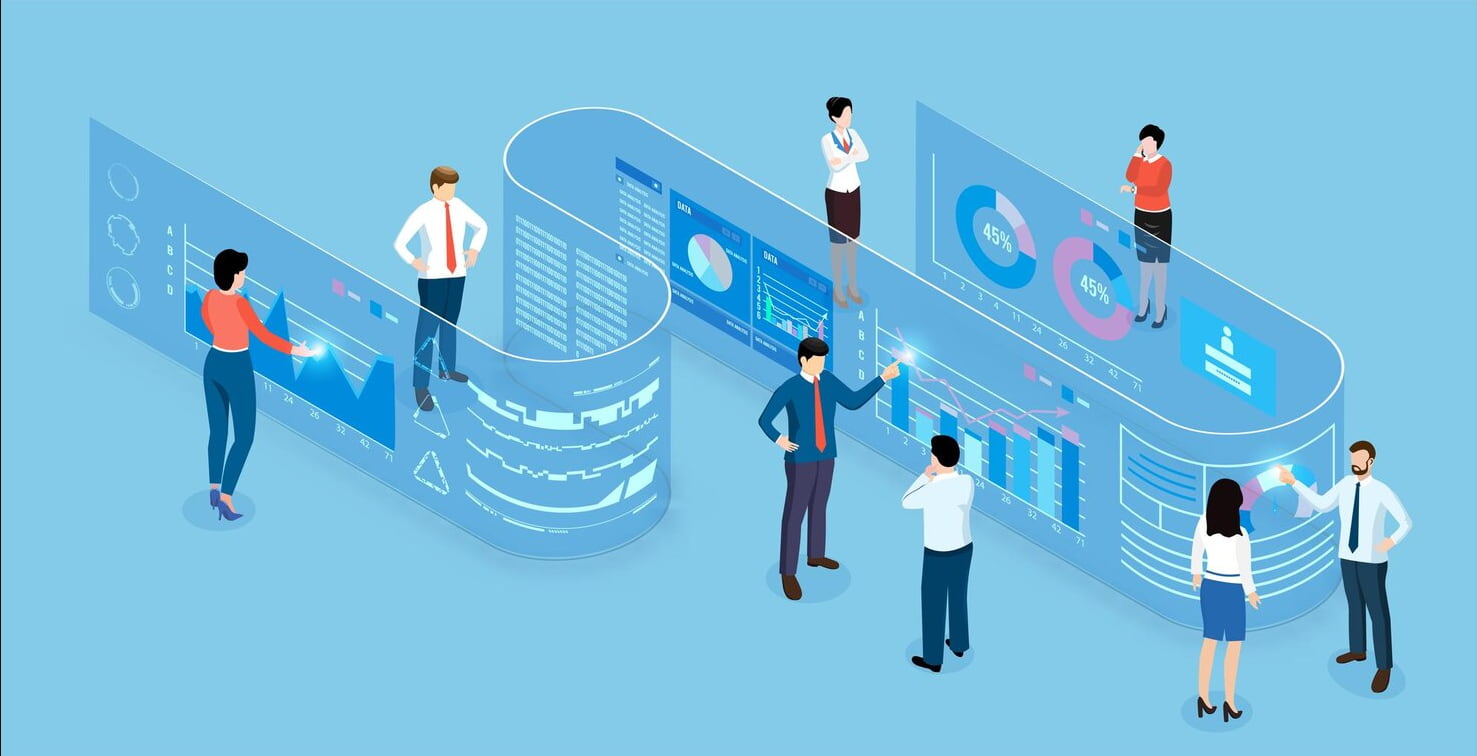
Digital transformation for plant managers in Indonesia now involves a paradigm shift from being a 'production floor supervisor' to becoming a 'strategic data architect.' This change does not happen overnight; it is driven by deep system integration between shop-floor hardware and back-office software. In Batam, where competition among electronics manufacturers and shipyards is fierce, the ability to monitor machine performance in real-time through SCADA systems or ERP dashboards is no longer a luxury but a fundamental requirement for survival.
Transitioning from Physical Oversight to Real-Time Data Analytics
Traditionally, a plant manager spent 70% of their time walking the production floor to ensure all machines were running. However, with the advent of digital transformation for plant managers in Indonesia, this physical oversight is now supplemented—or even replaced—by precise digital visibility. The integration of IoT sensors and Industrial Automation solutions allows data from PLC (Programmable Logic Controller) units to flow directly to a manager's mobile device instantly.
In Batam’s major industrial parks like Muka Kuning or Batamindo, implementing these technologies has helped reduce downtime by up to 30%. Imagine a scenario where a manager receives a predictive alert that a motor on Production Line C is likely to overheat in the next 4 hours based on abnormal power consumption patterns. Without this technology, the failure might only be discovered when the machine stops, resulting in thousands of dollars in lost production. With real-time data, the manager can schedule maintenance during a shift change, maintaining smooth operations without significant disruption.
Statistics from the World Economic Forum show that companies implementing predictive maintenance can reduce maintenance costs by 10% to 40%. For capital-intensive industries in Batam, these savings directly impact the company’s bottom line. The manager's role is now to analyze these data trends for long-term optimization, rather than just putting out operational 'fires' every day.
Vertical Integration: From Sensors to Executive Dashboards
One technical aspect often overlooked is how raw data from machines is converted into business metrics understood by top management. This is where communication standards like Modbus or OPC-UA become vital, connecting field devices to higher-level systems. Digital transformation requires plant managers to understand the basics of system integration to prevent data 'silos' between production and finance departments.
Optimizing Supply Chains Through Connected ERP Systems
The efficiency of a factory in the Riau Islands is determined not only by what happens inside the building but also by the smooth flow of raw materials and the distribution of finished goods. Digital transformation for plant managers in Indonesia includes the adoption of Enterprise Resource Planning (ERP) systems tailored to specific manufacturing needs. Utilizing our ERP Customization services based on Odoo, for example, allows managers to have full visibility over inventory without performing time-consuming manual stock counts.
Modern plant managers in Batam must now manage global supply chain uncertainties. With an integrated system, every time material is used on the production line, the Inventory Management solution automatically updates stock balances and provides alerts if they reach a reorder point. This prevents production bottlenecks caused by raw material delays—a classic problem that often hinders monthly output targets.
Data from the Aberdeen Group reveals that companies with well-integrated ERP systems have an average inventory accuracy rate of 97%. For a plant manager, this accuracy means they can run Just-In-Time (JIT) strategies with greater confidence, reducing warehouse storage costs and freeing up company cash flow. Amidst economic fluctuations, this flexibility in inventory management becomes a valuable strategic advantage for industries in Batam.
Energy Management and Sustainability in Operations
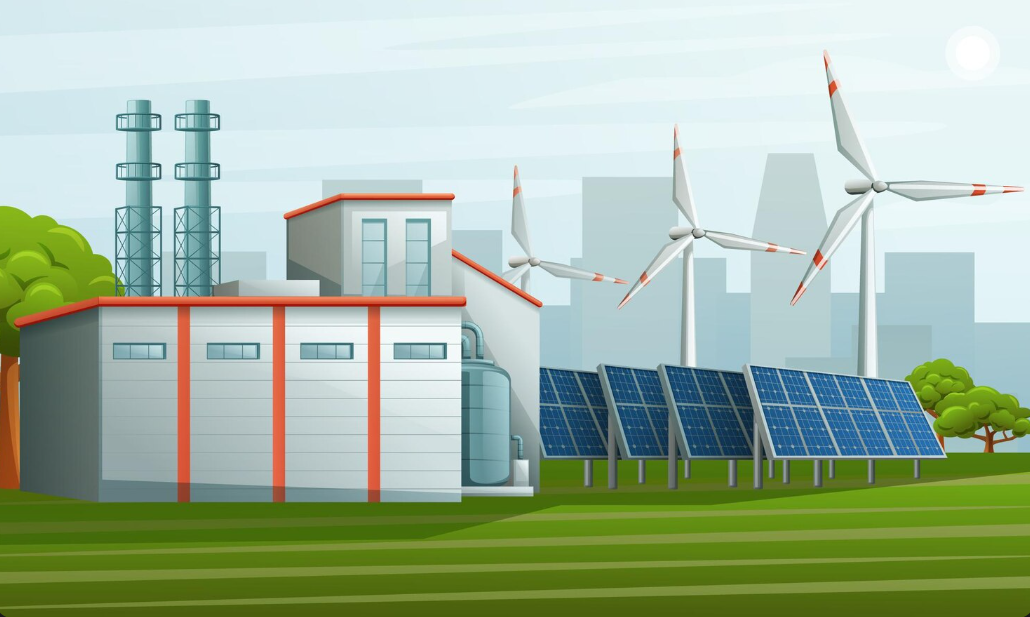
Sustainability is now a new KPI for plant managers across Indonesia. The Indonesian government, through the 'Making Indonesia 4.0' roadmap, emphasizes the importance of energy efficiency in the manufacturing industry. Digital transformation provides managers with tools to monitor the energy consumption of each department in detail through power meters connected to a central system.
Through Electrical Engineering services that include Solar PV installation and control panel optimization, plant managers can identify which machines are the most energy-intensive and adjust operational schedules to avoid peak load charges. In Batam’s industrial zones, where industrial electricity tariffs have specific cost structures, a 15% energy saving through digital monitoring can save hundreds of millions of rupiah per year.
The plant manager's role is expanding to include energy management. They are responsible not just for physical output but also for the factory’s carbon footprint. Using automation systems to regulate lighting, HVAC systems, and motor loads based on real-time needs (rather than static schedules) is a concrete implementation of digital transformation that supports both profitability and environmental sustainability.
Human Resources Challenges and Cultural Shifts in Batam
Implementing sophisticated technology is only half the battle. The biggest challenge in digital transformation for plant managers in Indonesia is human resource readiness. Plant managers must be change agents capable of bridging the skill gap between senior workers with mechanical experience and modern operational needs that are now digitally-driven.
In Batam, where industrial labor mobility is quite high, managers need to implement intuitive systems. Robotics & Software integration does not aim to replace humans but rather to shift dangerous and repetitive tasks to machines, while empowering human operators to oversee the systems. Continuous training on the use of HMIs (Human Machine Interfaces) and basic data literacy has become a staple in modern plant management.
A study by Deloitte indicates that the main barrier to digital transformation is not the technology itself, but cultural resistance (35%) and a lack of the right talent (25%). Successful plant managers are those who can build a culture of data literacy at all levels of the organization, from front-line operators to the maintenance team.
Frequently Asked Questions
The most effective first step is conducting an operational audit to identify the biggest bottlenecks, whether in production or administration. Usually, starting with data visibility through SCADA integration or a basic ERP system for stock management provides a strong foundation before moving to more complex automation like robotics or AI-based analytics.
Not necessarily. Digital transformation can be done in stages (modularly). At PT Wahari Nawa Manunggal, we suggest a scalable solution approach, such as customizing Odoo ERP starting with the most crucial modules. The initial investment is often covered by operational cost savings (ROI) generated from reduced downtime and energy efficiency within the first 12-24 months.
The key is education and involvement. Plant managers must communicate that technology is there to help make their jobs easier, not to replace them. Involving field teams in the UI/UX design process or the selection of automation features will increase their sense of ownership over the new system.
Conclusion
Digital transformation is no longer just a tech trend; it is a mandatory evolution for the role of plant managers in Indonesia, especially in strategic industrial hubs like Batam. By moving from reactive to proactive, data-driven management, managers can optimize every aspect of production, from machine efficiency to energy and supply chain management. The success of this transformation heavily depends on choosing a technology partner who understands the unique characteristics of the local industry in the Riau Islands.
Facing future industrial challenges requires effective and integrated solutions. As a trusted technology partner in Batam, PT Wahari Nawa Manunggal is ready to help you design a digital transformation roadmap that fits your business scale. Whether you need electrical control system upgrades or comprehensive ERP customization, our expert team is here to assist. Don't let your factory fall behind in global competition. Contact us now for a free consultation with our team and discover how our solutions can boost your operational efficiency today.