
Skyrocketing operational costs due to labor inefficiencies and unpredictable machine downtime are constant challenges for factory owners in Batam's industrial hubs, such as Muka Kuning or Tanjung Uncang. According to a report by McKinsey & Company, approximately 60% of all global manufacturing activities have the technical potential to be automated. However, many industrial players in Batam remain hesitant due to technical complexities and concerns over significant initial investments. In reality, within the competitive landscape of a Free Trade Zone (FTZ), sticking to manual methods is no longer a conservative choice—it is a tangible business risk.
The Imperative of Automation in Batam’s Competitive Industrial Landscape
Batam's industrial zones possess a unique characteristic: high-speed production requirements paired with stringent global export quality standards. Relying on manual processes amidst these global demands often results in high product variability and increased occupational safety risks. Data from the International Federation of Robotics (IFR) suggests that the implementation of industrial robots and automation systems can boost production output by up to 30% while reducing long-term operational costs by 20-25%.
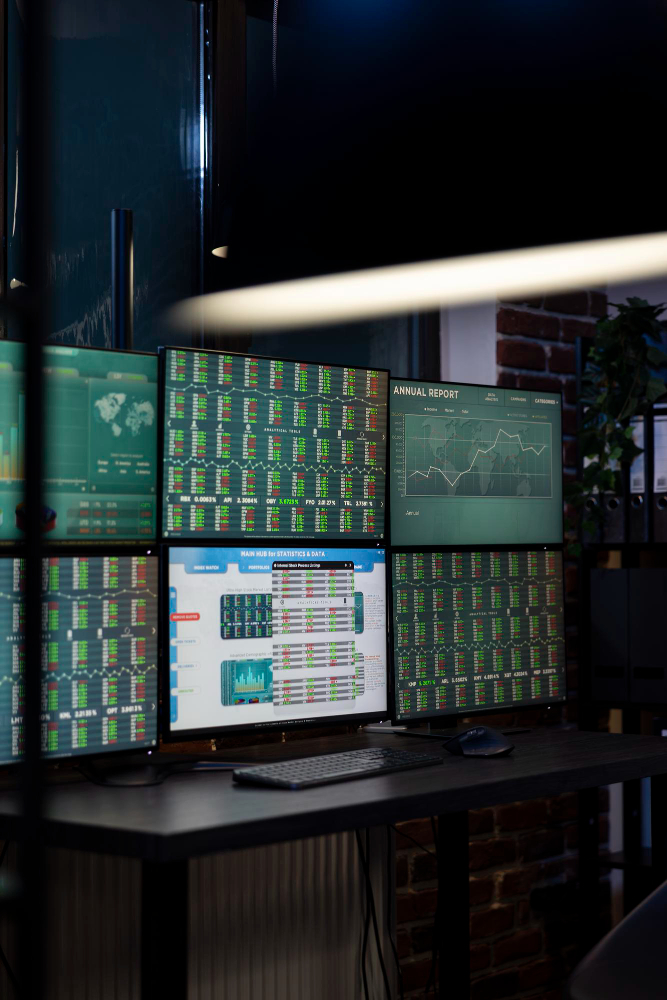
In Batam, where electronics, shipbuilding, and precision manufacturing sectors dominate, implementing an Industrial Automation solution is no longer just a trend—it is a necessity for survival. Modern automation systems allow for real-time data visibility, meaning production managers can identify issues before they lead to a total production line shutdown. Imagine a production line in Batam Centre that typically requires 24-hour manual supervision now being monitored through a centralized dashboard powered by reliable SCADA and PLC systems.
Step 1: Conducting a Granular Operational Audit and Identifying Bottlenecks
The first step in the automation journey is not purchasing the most expensive hardware, but rather conducting a deep audit of current business processes. You must map out every step in the production workflow and identify where the most frequent bottlenecks occur. Is it in the manual assembly stage? Or perhaps in a stock management system still relying on traditional paper logs?
Many factories in Riau Islands find that the greatest inefficiencies occur at transition points between machines. This is where an integrated Inventory Management solution can help synchronize raw material availability with production machine speeds. This audit should cover technical aspects such as the factory's electrical health and the readiness of IT infrastructure to support data connectivity between machines.
Understanding Automation Key Performance Indicators (KPIs)
Before installing any new system, define what you want to achieve. Are you aiming to reduce the rejection rate from 5% to 1%? Or do you want to increase the production units per hour? By establishing clear baseline KPIs, you can accurately calculate the Return on Investment (ROI). For industries in Batam, automation ROI is typically achieved within 18 to 36 months, depending on the scale of integration and the complexity of the systems deployed.
Step 2: Selecting the Core Architecture (PLC, SCADA, and Control Panels)
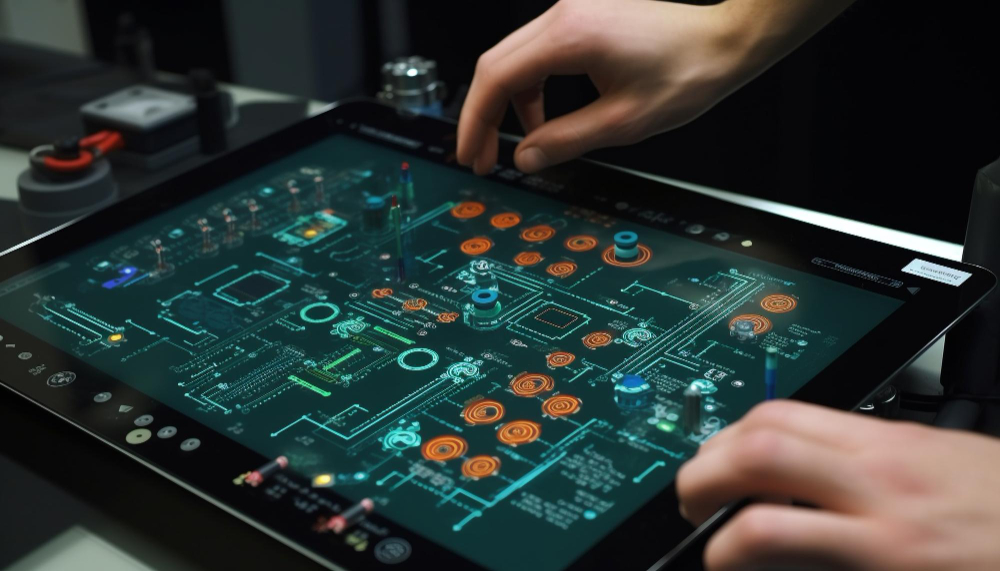
Once the target areas for automation are identified, the next step is choosing the 'brain' of your system. In the industrial world, this involves Programmable Logic Controllers (PLC) and Supervisory Control and Data Acquisition (SCADA). The selection of these components must adhere to international standards such as IEC 61131 to ensure future reliability and ease of maintenance.
PT Wahari Nawa Manunggal provides comprehensive Electrical Engineering services covering the design of Control Panels (CP), AMF (Automatic Mains Failure), and generator synchronization systems. A well-engineered control panel is the key to operational stability, especially in Batam's industrial environment with heavy electrical loads. Using communication protocols like Modbus or OPC-UA is highly recommended to ensure that machines from different brands can communicate seamlessly.
- PLC (Programmable Logic Controller): Acting as the processing unit that controls precise machine movements.
- HMI (Human Machine Interface): A touch-screen interface allowing operators to interact with machines intuitively.
- Inverters/VFDs: Used to regulate the speed of electric motors to conserve energy.
- Industrial Sensors: For real-time detection of position, temperature, pressure, and other parameters.
Step 3: Software-Hardware Convergence (The Power of Robotics)
True automation occurs when physical devices (hardware) work in perfect harmony with software systems. This is where the concept of Industry 4.0 is put into practice. Using robotics for repetitive or hazardous tasks is now increasingly affordable for mid-sized factory owners in Batam. Through Robotics & Software integration, you can create a smart factory ecosystem that is responsive to market demand changes.
For example, an automotive component factory in Batam can integrate robotic arms for welding processes, with the data being sent directly to an Odoo-based ERP system. This ensures that every unit produced is automatically recorded in the accounting and inventory systems. Such horizontal and vertical integration minimizes human error, which according to IBM studies, can cause losses of up to 3% of a company's total annual revenue.
Step 4: Risk Mitigation through Maintenance and Spare Parts
One of the biggest mistakes factory owners make is neglecting the maintenance aspect once an automation system is installed. Automated machines require preventive maintenance to avoid sudden breakdowns. This is where a reliable Parts & General Supplier becomes crucial. The availability of local spare parts in Batam, such as sensors, contactors, or I/O modules, is vital so that operations do not stall for long periods when a component needs replacement.
Data-driven maintenance strategies (predictive maintenance) can now be implemented by monitoring machine vibration and temperature via IoT sensors. With the help of the expert team at PT Wahari Nawa Manunggal, your factory can implement routine maintenance schedules that do not interfere with primary production timelines, ensuring maximum uptime for 24/7 operations in Batam’s industrial zones.
Frequently Asked Questions
Initial costs vary significantly depending on the scale of operation and the complexity of the system. However, investment can be done modularly, starting with one production line first. Generally, factory owners should consider hardware costs, software licenses, system integration, and staff training. We recommend an initial consultation to get a cost estimate tailored to your specific factory needs.
Yes, in many cases, conventional legacy systems can be modernized through a process called 'Retrofitting'. We add sensors, new PLCs, and modern communication interfaces so your old machines can connect to SCADA or ERP systems. This is a cost-effective solution for factory owners who are not yet ready to replace their entire machine line with new units.
A medium-scale automation project typically takes between 3 to 6 months, from the design phase through to installation and final commissioning. This duration depends heavily on component availability and the readiness of the factory's basic infrastructure. We always emphasize a thorough commissioning phase to ensure the system runs perfectly before handover.
Conclusion
The transition from manual to automated is not just about replacing humans with machines; it is about empowering your workforce to focus on high-value strategic tasks while technology handles precision and repetition. For factory owners in Batam, adopting automation is the key to increasing competitiveness in the international market, reducing long-term costs, and creating a safer, more productive work environment.
Don't let inefficiency hold back your business growth potential in Batam's industrial zones. Our expert team at PT Wahari Nawa Manunggal is ready to help you design a personalized automation roadmap that fits your company's scale and budget. Take your first step toward the factory of the future today by consulting for free with our team. Let's achieve limitless efficiency for your industry.