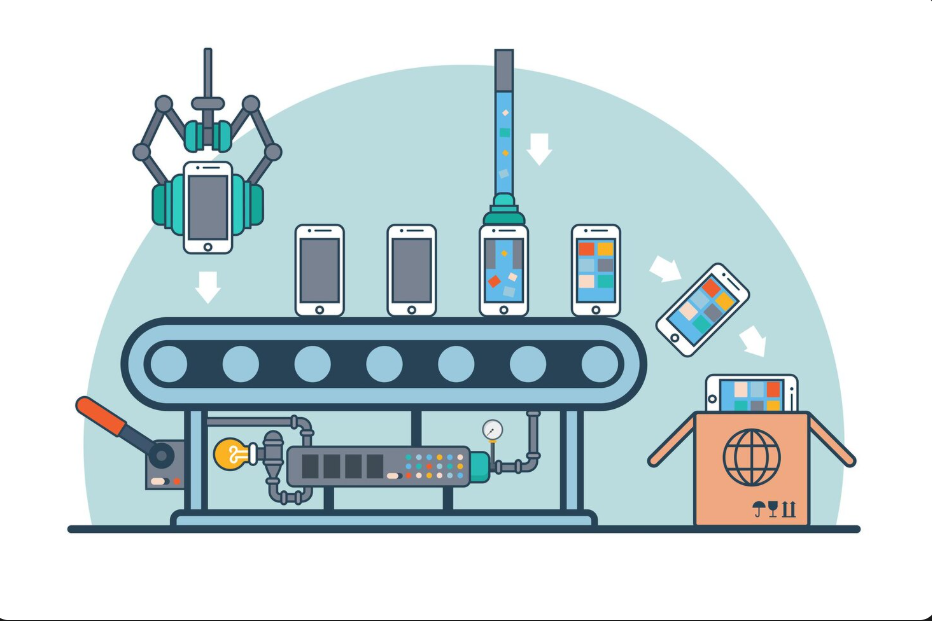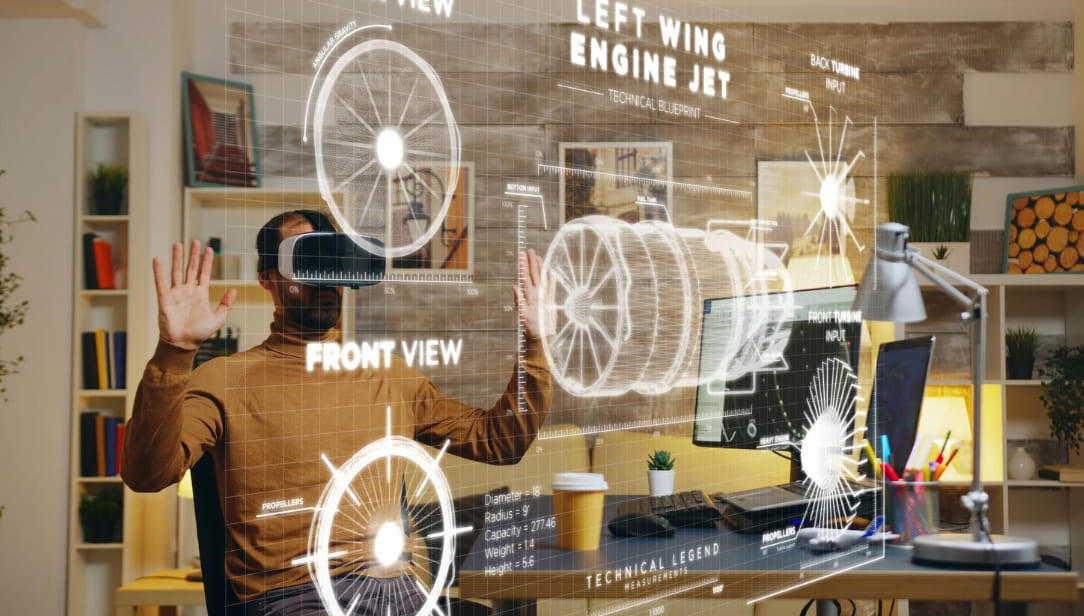

An unexpected machine failure on a production line in Batam's industrial zones like Muka Kuning or Batamindo is not just a technical hiccup; it is a financial hemorrhage that can reach tens of thousands of dollars per hour. According to a report by McKinsey & Company, unplanned downtime costs global industrial manufacturers up to $50 billion every year. However, imagine if you could predict these breakdowns weeks before they occur, or test changes to a factory layout without touching a single physical machine. This is the real power of Digital Twin Technology, which is now redefining the manufacturing landscape in Riau Islands.
Understanding Digital Twin Technology in Modern Industrial Ecosystems
Digital Twin Technology is not just a static 3D model or a beautiful computer animation. Technically, a Digital Twin is a highly dynamic and synchronized virtual representation of a physical asset, process, or system. The fundamental difference lies in real-time data connectivity. By using IoT (Internet of Things) sensors installed on machines on the shop floor, data is streamed continuously to its digital counterpart on the server. This allows factory managers in Batam's industrial areas to monitor machine performance with microscopic accuracy.
Data from Gartner shows that by 2023, at least 50% of large industrial companies with annual revenues over $1 billion have used at least one Digital Twin application in their operations. In Batam, where the electronics and shipbuilding manufacturing sectors dominate, the adoption of this technology is crucial to maintaining global competitiveness. Implementing a Digital Twin allows for a seamless integration between our Industrial Automation solutions and high-level data analytics.
In practice, a Digital Twin works in three main layers: the physical layer (sensors), the communication layer (data transmission), and the virtual layer (digital model). When a motor on a robotic arm begins to experience a temperature anomaly—even if it only rises by 2 degrees Celsius—the Digital Twin will capture it through protocols such as Modbus or OPC-UA, and then simulate its long-term impact on the entire production line.
How Virtual Factory Simulations Are Saving Millions?
The question most frequently asked by operations directors in Batam is: "What is the ROI (Return on Investment) of this technology?" The answer lies in the reduction of operating expenses (OPEX) and the optimization of capital expenditures (CAPEX). Virtual factory simulations allow companies to conduct "What-If" experiments without risk. For example, before investing heavily in new Robotics & Software integration, management can run simulations in the virtual world to see if the layout actually increases throughput or creates new bottlenecks.
Here are some key aspects where Digital Twin Technology generates significant cost savings:
- Predictive Maintenance: Replacing components only when needed, rather than based on calendar schedules that are often premature or late. This can save up to 25% on spare parts costs.
- Energy Optimization: In Batam's energy-intensive industries, Digital Twins can simulate power consumption under various workloads to find the highest efficiency points, often reducing electricity bills by 15%.
- Waste Reduction: With precise simulations, the commissioning process for new machines becomes faster with a significantly lower reject rate from day one of operation.
- Employee Training: Operators can be trained in a virtual environment identical to the real factory floor, reducing the risk of workplace accidents and machine damage during orientation.
As a real-world example, an electronics assembly plant in Batam that adopted Digital Twin reported a 30% decrease in machine downtime in the first year. With daily production values reaching hundreds of millions of rupiah, the savings from preventing just one total downtime event were enough to cover the technology's investment costs.
Implementation Challenges and Solutions in Batam Industrial Zones
Despite the tempting benefits, implementing Digital Twins in Batam is not without challenges. Many companies are still stuck with legacy systems that lack digital data output. This is where comprehensive Electrical Engineering services become vital. Retrofitting old control panels with smart sensors and modern PLCs (Programmable Logic Controllers) is the first step in bridging the gap between physical and digital.
In addition to hardware issues, software integration is often a barrier. Data from machines must be able to "talk" to the company's management system. PT Wahari Nawa Manunggal understands that a Digital Twin does not stand alone; it must be connected to our ERP Customization service to ensure production data is directly reflected in financial and inventory reports. This synchronization between the shop floor and the office floor creates total transparency for business owners.
In industrial zones such as Kabil Integrated Industrial Estate, connectivity and cybersecurity challenges are also major concerns. Building a Digital Twin infrastructure requires a stable local network and strong encryption protocols so that confidential production data does not leak to outside parties. Therefore, choosing a local technology partner who understands the Batam industrial ecosystem is a crucial strategic decision.
Integrating Digital Twin with SCADA and Control Panels
In the automation hierarchy, a Digital Twin often sits above the SCADA (Supervisory Control and Data Acquisition) system. If SCADA tells you what is happening now, the Digital Twin tells you what will happen in the future. This integration involves installing high-precision sensors on Control Panels to monitor current, voltage, and harmonics in real-time.
Data from Industrial Automation solutions is then processed using machine learning algorithms. For example, if a sensor on an air compressor detects unusual vibration patterns (based on ISO 10816 standards), the virtual simulation will immediately project the remaining useful life of the component. This allows the maintenance team to order spare parts through a trusted Parts & General Supplier just before the breakdown occurs.
Strategic Steps to Adopt Digital Twin with PT Wahari Nawa Manunggal
Starting the Industry 4.0 journey through Digital Twin Technology does not have to be done massively all at once. The most effective strategy for companies in Batam is the "Start Small, Scale Fast" method. Start by creating a digital twin for one most critical asset in your factory—for example, the main CNC machine or an automated packaging line.
PT Wahari Nawa Manunggal, as a leading industrial technology solution provider in Batam, offers a consultative approach to Digital Twin implementation. We start with an in-depth audit of your current electrical and mechanical infrastructure. Are your machines ready for data extraction? If not, our team will design upgrades for your control panel and sensing systems.
Once the data is available, we integrate it with visualization and analytics platforms that are easy for both operators and managers to use. Our focus is not just on technological sophistication, but on real business results: cost reduction, increased productivity, and operational safety. With our operational base in Batam, we provide fast on-site technical support, something that vendors from out of town or abroad cannot provide optimally.
Frequently Asked Questions
Digital Twin implementation costs vary widely depending on asset complexity and data availability. For a pilot project on a single critical machine, investment can start at a competitive figure, but the savings generated from preventing one major downtime event usually provide an ROI in less than 12 months. PT Wahari Nawa Manunggal provides phased package options tailored to the budgets of manufacturing companies in Batam.
Not at all. Digital Twin Technology can be applied to legacy machines through a retrofitting process. By adding external sensors and IoT gateways, even analog machines can send data to a virtual model. This actually provides an opportunity for SMEs in Batam to extend the life of their assets and compete on the same level as larger corporations without having to purchase expensive new machinery.
CAD (Computer-Aided Design) simulations are static and typically only used during the design phase without real-time data input from the field. In contrast, a Digital Twin is a living model that constantly evolves alongside its physical asset. If environmental conditions in your factory change (e.g., room temperature rises), the Digital Twin model will automatically adjust its predictions based on the latest sensor data, not just theoretical assumptions.
Conclusion
Digital Twin Technology is no longer just a futuristic vision; it is an essential survival tool for industries in Batam. With the ability to simulate the future, reduce operational risks, and save millions through predictive maintenance, this technology offers a shortcut to extraordinary manufacturing efficiency. In the midst of increasingly fierce global competition, companies that can leverage data from virtual factory simulations will become dominant market leaders.
Ready to transform the way you manage your factory operations and save on unnecessary costs? Our expert team at PT Wahari Nawa Manunggal is ready to help you design the right Digital Twin solution for your business in Batam. Don't let downtime eat your profits. Please contact us for a free consultation with our team today and start your digital transformation with a partner experienced in the field.